EYFS Curriculum Intent
At Escrick CE Primary School, our Early Years Foundation Stage (EYFS) curriculum is underpinned by the belief that every child should feel happy, valued and excited to come to school each day. Through a nurturing environment, high-quality texts, rich language experiences and carefully planned opportunities for exploration, we establish strong foundations for lifelong learning and personal development. This reflects the school vision and is also interlinked to our EYFS vision.
The curriculum is deliberately designed to develop the essential knowledge, skills and dispositions that children need to thrive both academically and socially. A strong emphasis is placed on communication and language, recognising its fundamental role in children’s cognitive development, wellbeing and future success. Early reading and mathematics are prioritised through carefully sequenced, evidence-informed approaches, enabling children to secure the foundational skills that support future achievement.
Our provision balances purposeful child-initiated play with high-quality adult-directed teaching. This approach enables children to develop independence and curiosity while ensuring that key knowledge and skills are taught systematically across all areas of learning. Skilled adult interactions, including effective modelling, questioning and scaffolding, extend children’s thinking, strengthen self-regulation and foster positive attitudes towards learning.
We are committed to recognising and celebrating the uniqueness of every child. Our inclusive environment promotes a strong sense of belonging, ensuring children feel safe, confident and supported to take risks in their learning. Through carefully planned experiences, children develop the Characteristics of Effective Learning: playing and exploring, active learning, and creating and thinking critically. These characteristics are fundamental to developing resilient, engaged and reflective learners.
Ultimately, our ambition is for all children to flourish. By the end of the Reception Year, children have developed secure foundations in communication and language, early reading, mathematics and self-regulation. They leave EYFS as confident, independent and resilient learners who are well prepared for the next stage of their education and equipped to engage positively with the opportunities and challenges of Year 1.
The EYFS Statutory Framework
The Early Years Foundation Stage (EYFS) sets the standards that all early years providers must meet to ensure that children learn and develop well and are kept healthy and safe. It promotes teaching and learning to ensure children’s ‘school readiness’ and gives children the broad range of knowledge and skills that provide the right foundation for good future progress through school and life.
The latest Early Years Foundation Stage Statutory Framework can be found here:
EYFS statutory framework for group and school-based providers
The Characteristics of Effective Learning:
The three characteristics of effective learning describe the behaviours children use in order to learn:
- Playing and exploring – children investigate and experience things, and build the resilience to ‘have a go’
- Active learning – children concentrate and keep on trying if they encounter difficulties, and enjoy achieving
- Creating and thinking critically – children have and develop their own ideas, make links between ideas, and develop strategies for doing things
At Escrick we believe that children learn best through a balance of child‑led play and adult‑guided learning. Our provision includes:
- Purposeful Play that encourages curiosity, imagination and problem‑solving
- Adult‑led sessions that introduce new knowledge and skills in small, focused steps
- Continuous Provision that allows children to revisit and deepen learning over time
- High‑quality interactions where adults model language, extend thinking and support children’s ideas
This approach helps children develop the Characteristics of Effective Learning.
The Seven Areas of Learning and Development
The EYFS curriculum is organised into seven areas of learning, which work together to support children’s development and build strong foundations for future learning.
Prime Areas
These areas are the most essential for children’s early development and underpin everything else they learn:
- Communication and Language — developing speaking, listening and understanding
- Physical Development — strengthening fine and gross motor skills, coordination and self‑care
- Personal, Social and Emotional Development — building confidence, resilience, relationships and self‑regulation
Specific Areas
These areas build on the prime areas and help children broaden their knowledge and skills:
- Literacy — early reading, phonics, writing and a love of books
- Mathematics — number, patterns, shape, space and problem‑solving
- Understanding the World — exploring people, places, technology and the natural world
- Expressive Arts and Design — creativity through art, music, role‑play and imaginative expression
Together, these seven areas ensure children develop academically, socially and emotionally. These areas are used to plan each child’s learning and all activities will be suited to each child’s unique needs and interests. Children will work towards achieving Early learning Goals within these 7 areas. To see an overview of the ELGs click here:
Communication
At Escrick Primary School communication and language is at the heart of early years; we know that speech and language skills are a key indicator in children’s lifelong outcomes. We pride ourselves on providing playful, language-rich environments with opportunities to learn new words and hands-on experiences to encourage learning and provide a context for new words to be explored.
Children in EYFS take part in weekly ‘Poetry Basket’ sessions which offers a fun way to explore the sounds and patterns of words. Poems with actions and repetition help children listen to the structure of spoken language and explore new words.
Reading stories aloud and sharing books is an important part of every day in EYFS. This supports children to develop language and understand new concepts. It strengthens their language skills and widens their vocabulary.
Learning to Read and Write in EYFS
In Reception, children begin their reading journey through the Little Wandle Letters and Sounds Revised phonics programme. This systematic, research‑based approach teaches children how to read by helping them make secure links between letters and sounds.
Children take part in a daily phonics lesson where they learn:
- new sounds (phonemes) and the letters that represent them (graphemes)
- how to blend sounds together to read words
- how to segment words into sounds to support early spelling
- how to read tricky words that cannot be sounded out
We send home weekly phonics sheets to support you and your child as they learn more letters and sounds so that they can practise their blending and reading. You can see the Reception planning overview for phonics here:
Alongside phonics, children enjoy reading practice sessions three times a week. These small‑group sessions use fully decodable books matched to each child’s phonics stage. The sessions focus on:
- decoding (sounding out and blending)
- reading with fluency
- understanding what they have read
Children also take home a sharing story each week to enjoy with family, helping to build a love of stories and reading for pleasure.
The Little Wandle website has excellent support for parents/carers https://www.littlewandlelettersandsounds.org.uk/resources/for-parents/#HowWeTeach
Children develop early writing skills initially through the development of gross and fine motor skills, using activities that develop strength and dexterity— such as large scale building, mark‑making, threading and dough work. These activities help children develop the muscles and stamina needed to hold a writing tool accurately and with success.
We encourage emergent writing, supporting children to use their growing phonics knowledge to write the sounds they can hear. Children are motivated to write when it connects to their interests and purposeful experiences, so we provide meaningful opportunities for writing across all areas of learning. These might include:
- writing plans before building models
- evaluating creations once they are finished
- making lists of resources they need
- labelling pictures and drawings
Handwriting
Handwriting is taught discreetly on a daily basis as part of our phonics lessons where we refer to the letter pneumonic and formation. We also teach handwriting twice weekly explicitly focusing on posture, pencil grip and letter families. Children’s pencil grip is monitored throughout key stag one and are corrected where needed in the moment and with the use of interventions.
You can find support for helping your children to form letters correctly here:
Maths in Reception
In Reception, children build strong early number skills through the White Rose Maths programme. This approach helps children to develop a deep understanding of number by exploring concepts in small, manageable steps and revisiting them often.
Children learn early number through:
- practical, hands‑on activities using real objects, counters, cubes and everyday materials
- structured small‑step teaching that helps them understand what numbers really mean
- counting, comparing and ordering numbers in lots of different contexts
- subitising — recognising small quantities without counting
- pattern and shape work that supports early mathematical thinking
In addition we also follow the NCETM Mastering Number Programme in EYFS. This develops number sense, builds fluency and flexibility, improves the speed and accuracy of children’s subitising skills and recognition of number bonds, enhances mathematical vocabulary. It fosters mathematical language, oracy skills, and the ability to articulate mathematical relationships using stem sentences. Children are able to use manipulatives to support understanding of number structures. This provides foundational skills and builds confidence in all children.
The following documents explains a little more about maths in reception at Escrick:
Supporting Maths at Home
Help your child be epic at maths – CBeebies
https://www.ncetm.org.uk/classroom-resources/ey-numberblocks-at-home/
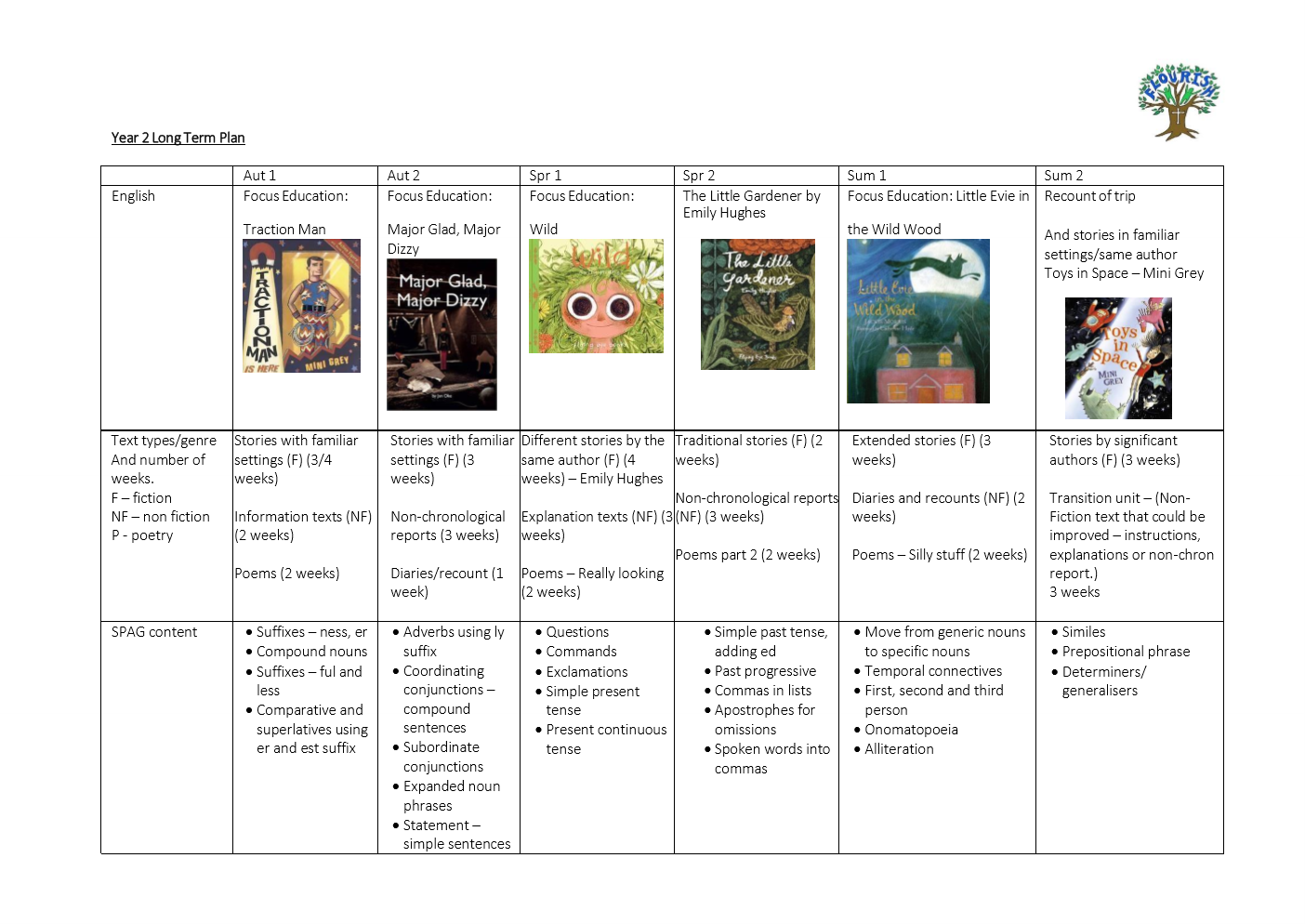
Curriculum Overview
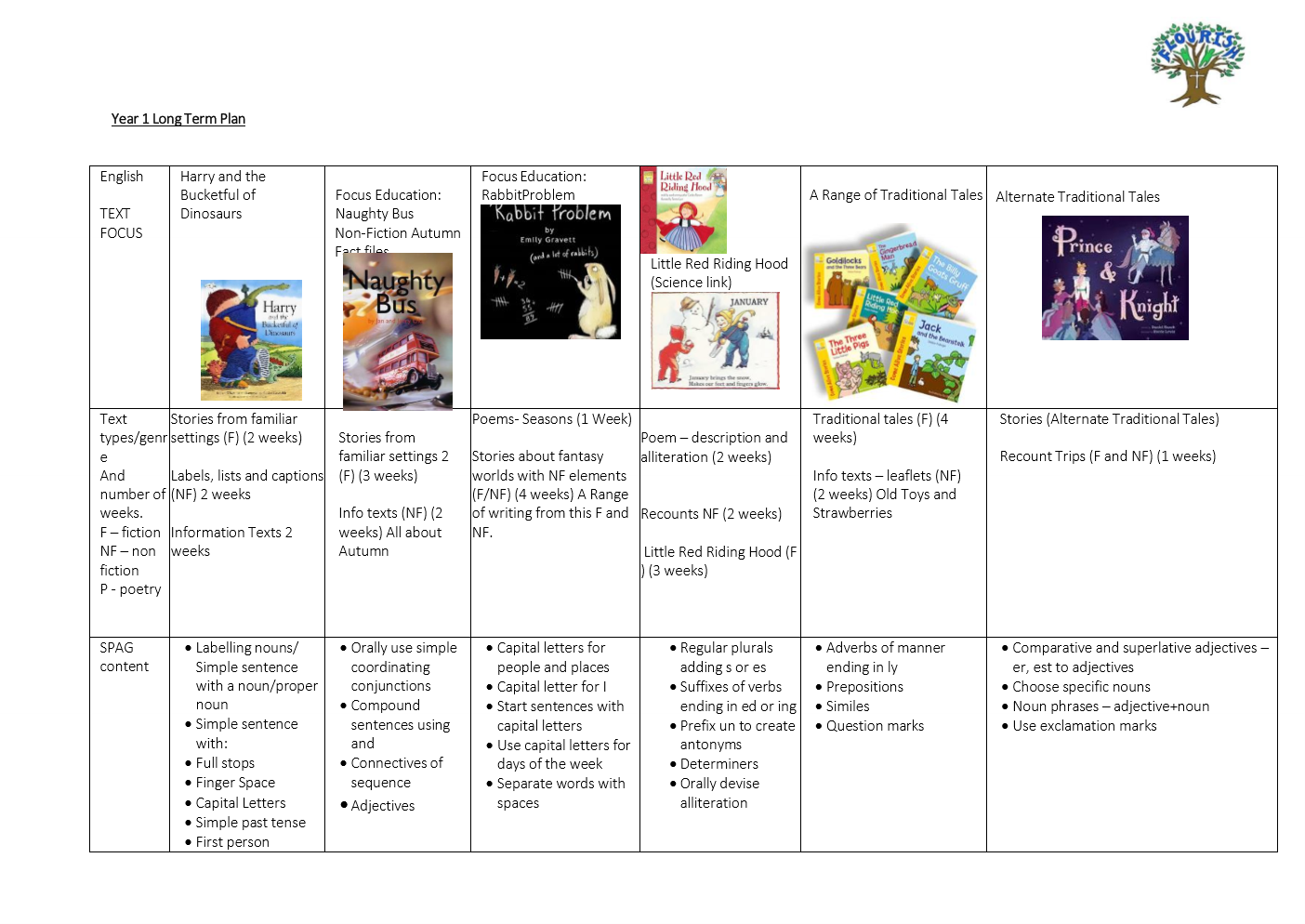
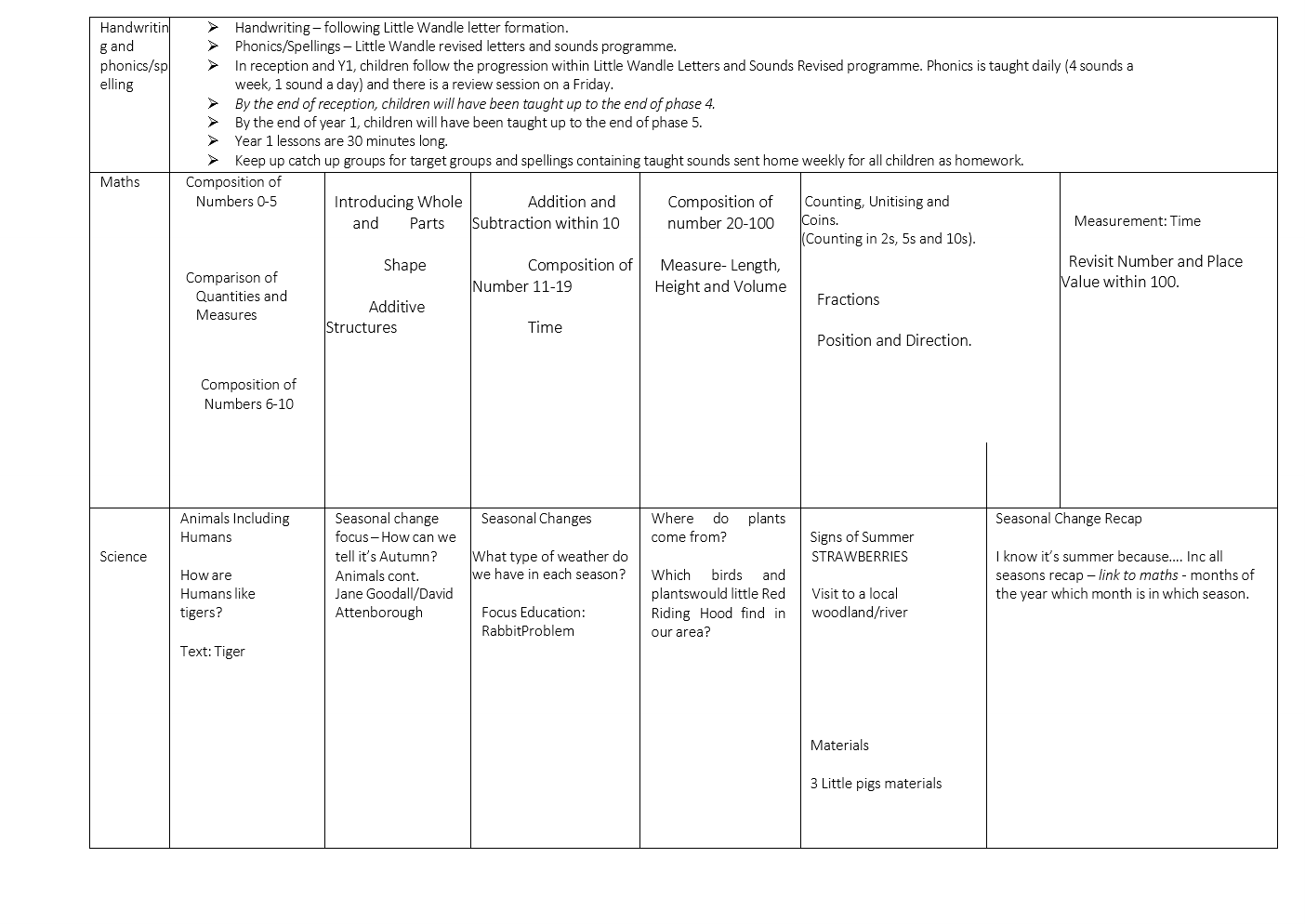
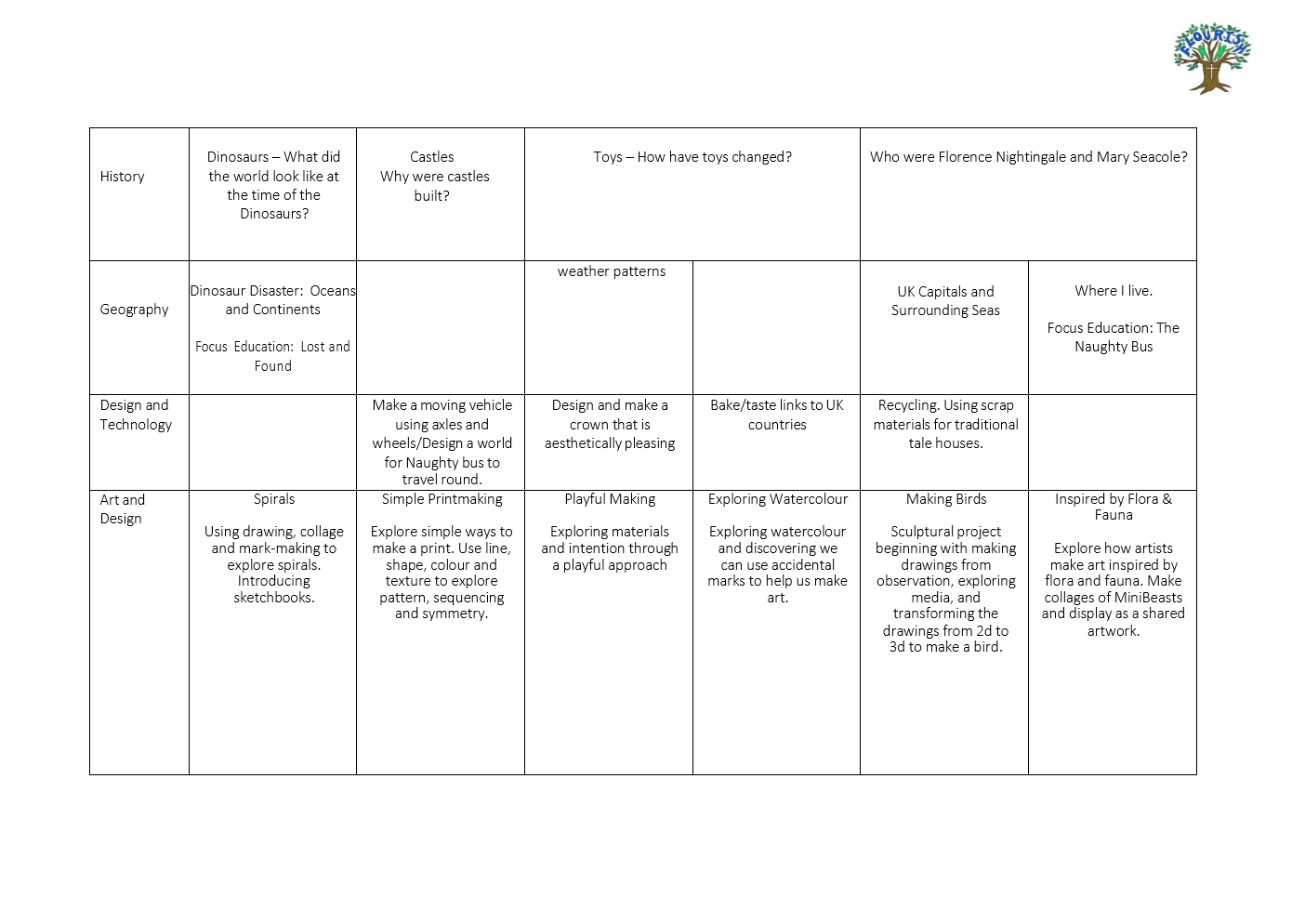
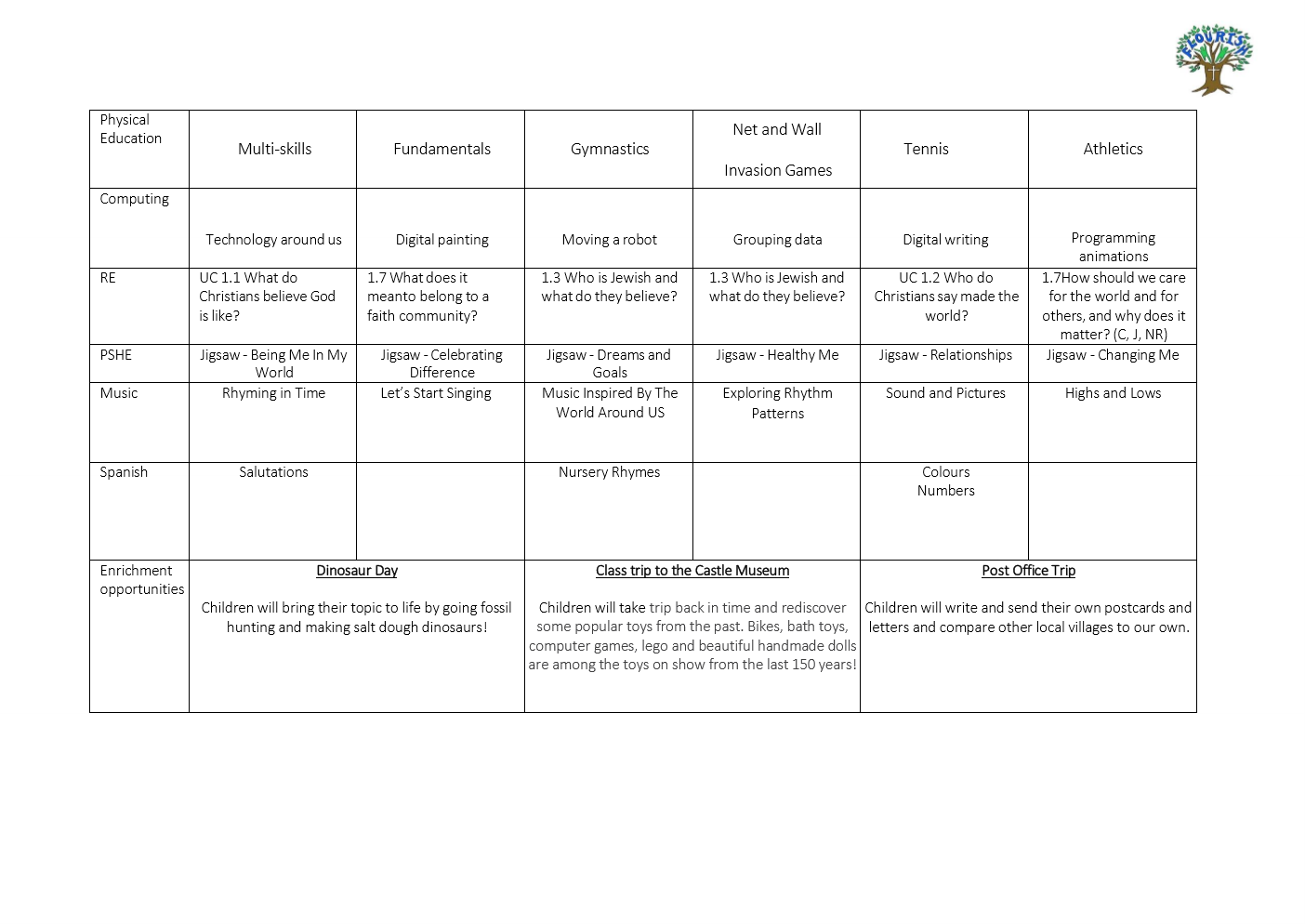
The link to our long-term curriculum plan can be found here:
Topics and Themes
We have developed topics for each term in Reception Class. These topics provide a starting point for our learning, with freedom to follow children’s interests and personalise learning to our setting, cohort and context. Our themes this year are:
Core focus | Additional Focus |
Marvellous Me | Families and people who help us in school |
Let’s celebrate | Light and dark Christmas |
Superheroes | People who help us |
Once upon a time | Animals, Easter |
In the garden | Mini beasts, Lifecycles |
Go Jetters | Under the sea, transport and transition |
Our Learning Environment
Our learning environment is calm, nurturing and intentionally designed to help every child feel happy, valued and excited to come to school each day. Each space is communication‑rich and homely, helping children feel safe, secure and ready to learn. Carefully sequenced routines and expectations support children in developing strong foundational skills, independence and respect for others.
Our outdoor provision encourages exploration, problem‑solving and the development of essential gross‑motor skills. A wide range of engaging, challenging learning opportunities—both child‑led and adult‑guided—enable children to follow their interests while building new knowledge. Fortnightly Forest School sessions provide first‑hand experiences in nature, from den building to campfire stories, deepening children’s understanding of the world around them.
We believe in offering meaningful, real‑world experiences through visits and visitors, broadening children’s knowledge and inspiring a lifelong love of learning.
Partnerships
We communicate with our families in a variety of meaningful ways, with in‑person contact at the heart of our approach. Our Early Years staff greet children at the door each morning and are available each afternoon to share updates and build strong, positive relationships with parents.
We use Tapestry to share photographs, observations and key moments from children’s learning, and parents can contribute their own comments and experiences through the app. Throughout the year, we invite families into school for open mornings, celebration assemblies and other events that showcase the learning taking place.
Information about tapestry can be found here:
Our half termly EYFS curriculum newsletter outlines the knowledge and skills children will be developing, alongside the key texts, rhymes and poems we are focusing on, as well as details of upcoming visits and visitors. We also offer a range of meetings and workshops for parents, including sessions on starting school, phonics, early mathematics and joint parent‑and‑child activities.
Through these varied and purposeful forms of communication, we ensure families feel informed, involved and connected to their child’s learning journey.
Impact
The impact of our carefully sequenced curriculum, communication‑rich environment and skilled, nurturing practitioners is seen in the successful development of our children as confident, unique learners. Children feel valued for who they are, and in turn learn to value and respect differences in others.
Through meaningful experiences, high‑quality interactions and a strong emphasis on language, children understand the importance of kindness, beginning with themselves and extending to friends, family, community and the wider world. They become creative thinkers who show curiosity, independence and resilience when faced with new challenges.
Strong personal, social and emotional development enables children to engage positively in teamwork, appreciating the contributions of others and communicating confidently due to the strength of their vocabulary and expressive skills.
By the end of Reception, children leave EYFS fully prepared for their transition to Key Stage One. They remember and apply essential knowledge and skills, demonstrate secure foundations in early reading, mathematics and self‑regulation, and show the motivation, independence and resilience needed to succeed in the next stage of their education.
Outcomes
We ensure all children make strong progress across every area of learning, developing the ability to self‑regulate, self‑motivate and take increasing ownership of their learning. At Escrick, we hold high expectations for every child, and our curriculum and provision are carefully matched to their starting points, developmental needs and individual interests.
Children are supported through personalised, meaningful next steps that reflect their unique strengths and areas for development. These next steps guide differentiated learning that is holistic, culturally relevant and grounded in real experiences.
Through this approach, every child is enabled to flourish—growing as confident, capable learners who feel valued, respected and ready for the next stage of their education
EYFS Policy
Our EYFS Policy can be viewed here in the Policies section of our website.
Support and Information for Parents:
These websites that maybe useful when thinking about starting reception:
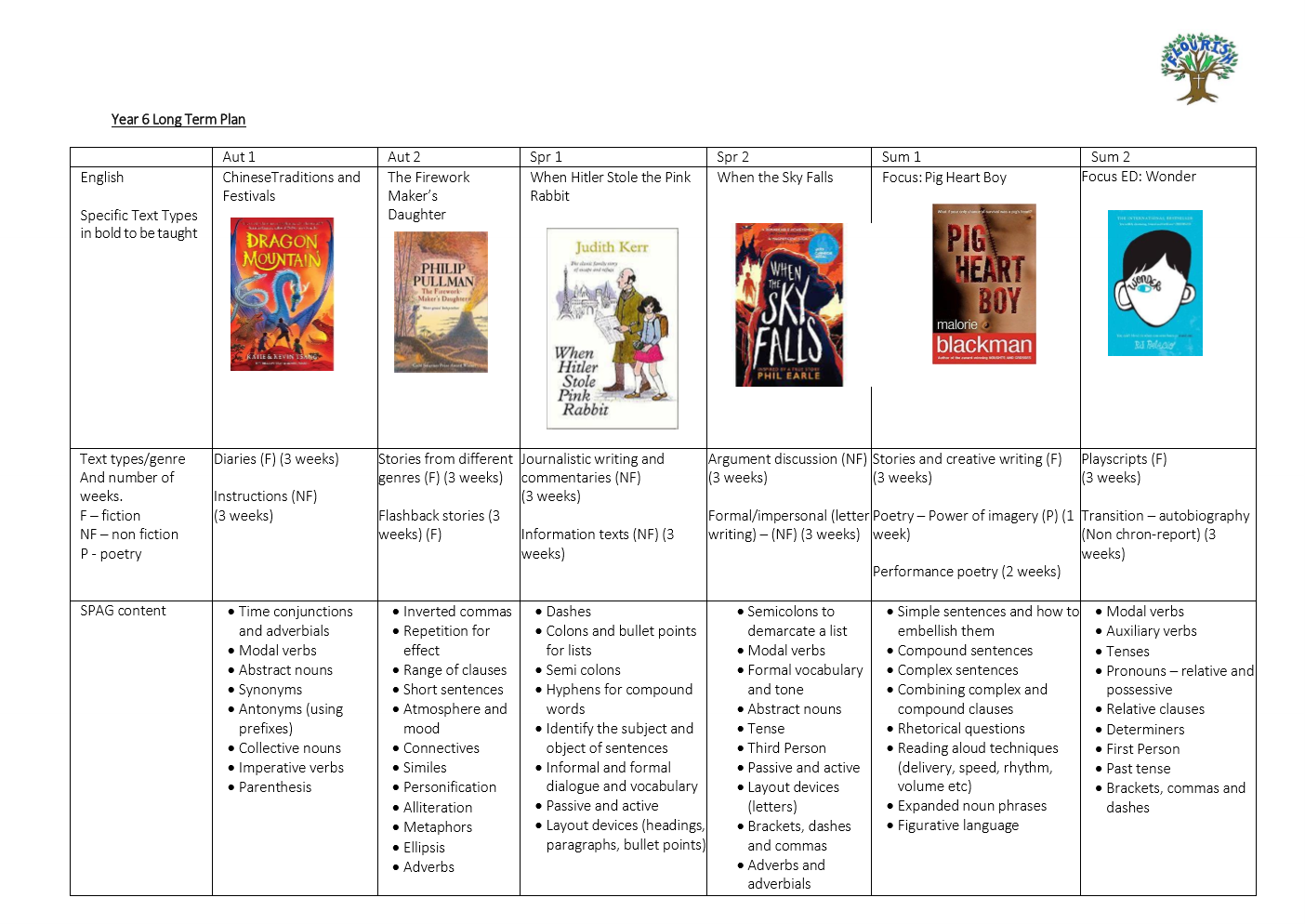
English at Escrick 2022-2023
Writing, spelling, reading and homework across our school
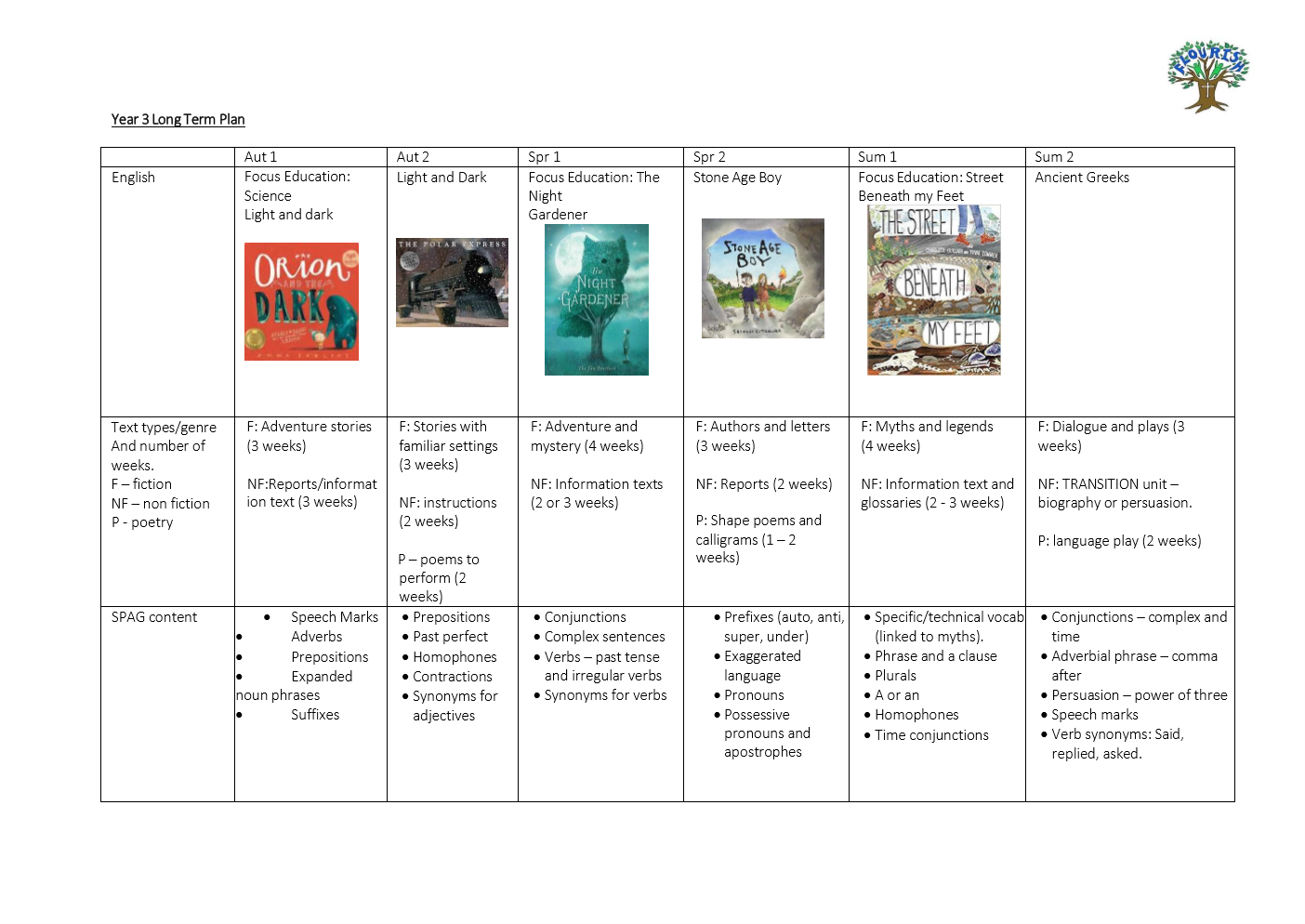
Our approach to English at Escrick Primary School is grounded in a foundation of core skills (phonics, reading, writing and letter formation) and brought to life through creative and engaging learning experiences. We read and plan from a range of rich texts and provide cross curricular links and vocabulary to upskill learners of all abilities. Reading opportunities are regular and children develop a love for reading and writing and understand that texts can be both educational and entertaining in equal measure.
Our approach to reading and comprehension is progressive, as the depth of understanding and level of explanation needed in response to texts and author’s choices becomes more challenging as children progress through school. There are overlapping skills (Summariser and travel tracer are similar roles from reading VIPERS in 3/4 to reading Circles in 5/6) to ensure continuity and consistency. Expectations continue to be raised through challenging questioning and levels of independence and access to high quality stimulating texts.
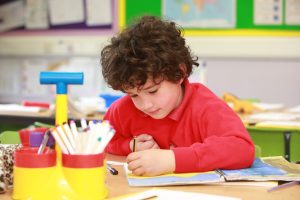
The foundations for reading and writing:
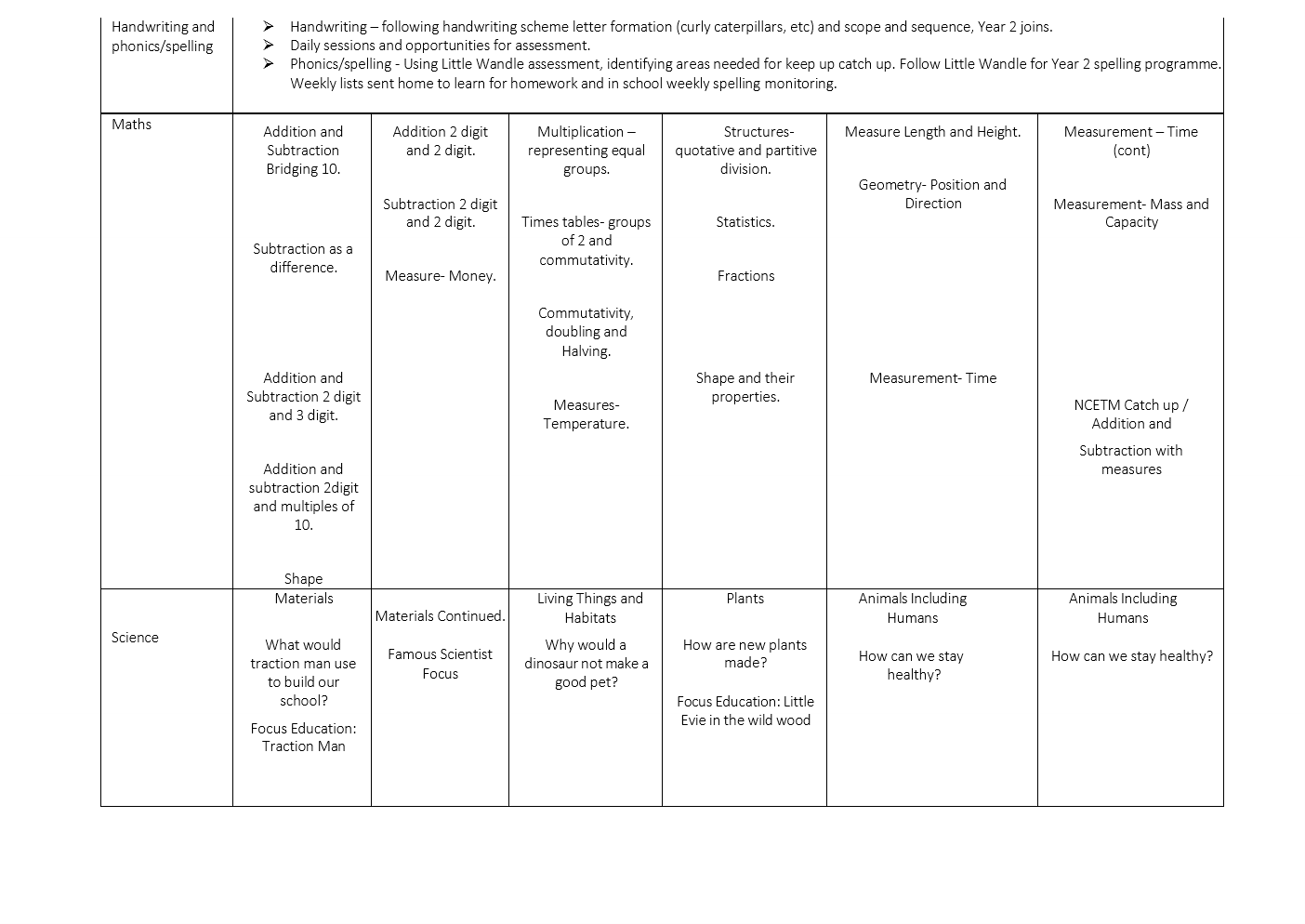
Handwriting and spelling overview
Handwriting
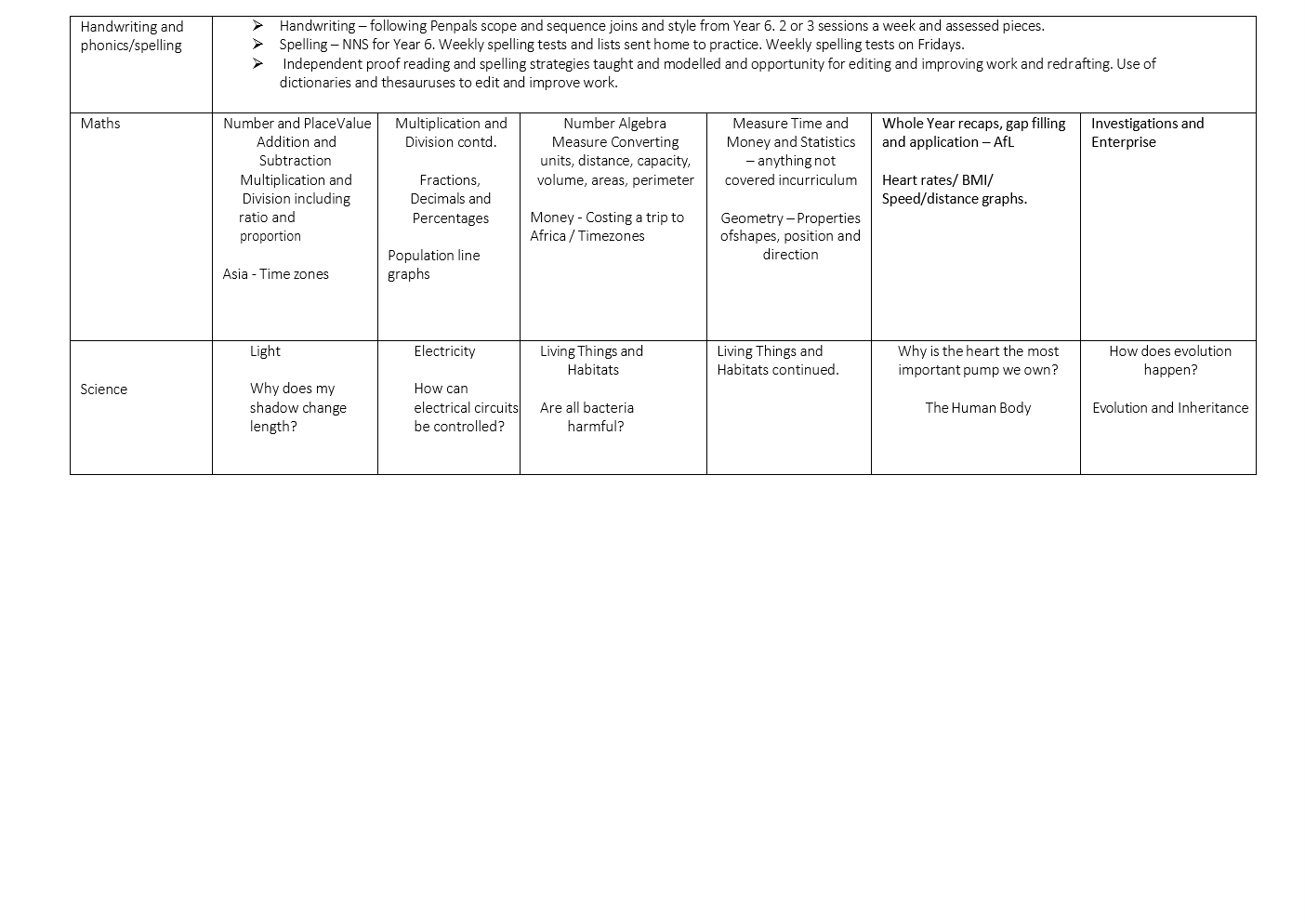
The expectation is that children learn to join their handwriting following the Penpals Scope and Sequence Programme. This is taught from Year 2 upwards.
In Years 2/3/4 lessons are taught directly on a daily basis and children need to reach a set standard before being offered their pen licence (at least 6 pieces of work need to evidence a consistent approach to the handwriting style and joins). If they wish they may choose to stay using a pencil for their writing.
In Years 5/6 handwriting is taught 3 times a week to consolidate the style and joins. Again pen licences are issued once the expected standard is met.
Spelling
Reception and Year 1 follow the Little Wandle Scheme and homework is used to reinforce this at home. Tricky words and phonics sounds are sent home.
Years 2 – 6 follow the No Nonsense spelling scheme with daily lessons being delivered in Y2/3/4 and twice a week in Years 5/6 and weekly ‘checks’ being undertaken to assess progress and identify needs. These follow the content coverage for each year group and include writing spellings, applying rules, identifying correct and incorrect spellings and other games and activities to help children remember key spelling patterns.
Some children in Year 2 – 6 may need specific spellings to learn and these will either be taken from the previous year group’s NNS lists or from words and spellings identified in their work (e.g. tricky words, or words ending in ck or k).
Reception and Year 1 Writing
Our teaching of writing begins with providing the children with many varied opportunities for mark making, both large and small. Fine motor skills are also developed in all areas of provision in our Reception and Year 1 classes. This is followed by encouraging the correct letter formation using the Little Wandle scheme. Early writing experiences include name writing, copy writing, captions and labels. This then builds up to sentences with punctuation and extended sentences with connectives by the end of Year 2.
Year 2
Reading
In Year 2 the children are revisiting their phonics sounds from Year 1 following the Little Wandle programme. As Little Wandle has only been introduced in Reception and Year 1 since September 2022, Year 2 children will be assessed in Phonics and keep up catch up used to target those needing more support. NNS spellings will also be used to cover specific spelling rules and patterns, sending lists home for homework and weekly spelling quizzes. Reading comprehension skills are taught as a whole class situation through VIPERS – Vocabulary, Inference, Predict, Explain, Retrieve and Summarise, with a session focusing on each skill. This approach aids their understanding of words and texts and develops these vital comprehension skills. Children also access guided reading weekly in ability groups with an adult. Children are also exposed to different style SAT questions with modelled answers by the teacher – using sentence stems and scaffolds to support learners.
Year 2 read a class book at the end of each day for 15-20 minutes and regularly read their work aloud to the teacher and their peers in daily lessons. Guided reading is also a weekly task for the children and they enjoy reading aloud across the school day.
Year 2 Writing
As children move into Year 2, they continue to build upon the foundations of basic sentence writing. They are introduced to SPAG features in discrete sessions, for example the use of conjunctions to extend a sentence or adjectives to develop expanded noun phrases. This is modelled, practised and revisited to ensure pupils are confident to apply this to their own work. When writing a longer text, students are supported with all aspects of reading a text, identifying key features, picking apart the SPAG that they need to make sure they are successful and with planning and drafting their work. Towards the end of year 2, they begin to evaluate and edit their own work to make meaningful changes.
Teachers model how to plan and draft ideas and give students time to be creative through talk, drama, art and other activities that generate ideas. Children become more competent and able to write in response to a range of prompts and begin to write at greater length. Opportunities to apply their writing skills are also provided in other subjects such as Science, Geography and RE.
Homework
- 10 spellings a week and put 4 into sentences.
- Maths basic skills task given eg number bonds problems
- Regular reading at home of their school book
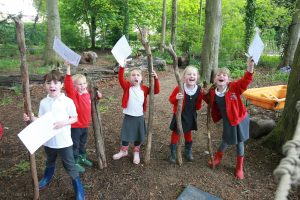
Key Stage 2
Year 3
Year 3 Reading
As the children move into Year 3 there is clear progression in the teaching of reading. Texts are more challenging and whole class reading allows longer texts to be shared and discussed. The different features of texts are taught with children having time to consolidate this new knowledge in their own reading and writing tasks. Comprehension skills are revisited and children begin to embed this and develop confidence to read for meaning and understanding. VIPERS is still used within a carousel plan and all children read regularly in a 1:1 scenario. Children are asked and expected to read at various times throughout the day in all lessons from morning work written on the board to reading new Spanish vocabulary.
Year 3 Writing
Writing is often in response to reading and VIPERS work. Discrete SPAG content is taught through spelling or English sessions. As in Year 2, this is modelled, discussed in partners and groups and applied through sentence level work. When writing longer texts, we follow a sequence of inspiration/hook, looking at a model text, exploring key SPAG features and content and then begin planning and drafting. Editing and improving is also a key part of writing in Year 3 as children are taught how to read work to spot mistakes and also identify words to improve or sentences that could be extended or changed. Children may also be encouraged to use ‘success criteria’ checklists with their work to ensure they have included all the key features to make their writing great.
Homework
- 10 spellings weekly and put 6 into sentences
- Vocab challenge e.g. add adjectives
- Maths basic skills incl games to play and tasks on G Classroom
- Regular reading at home of their school book
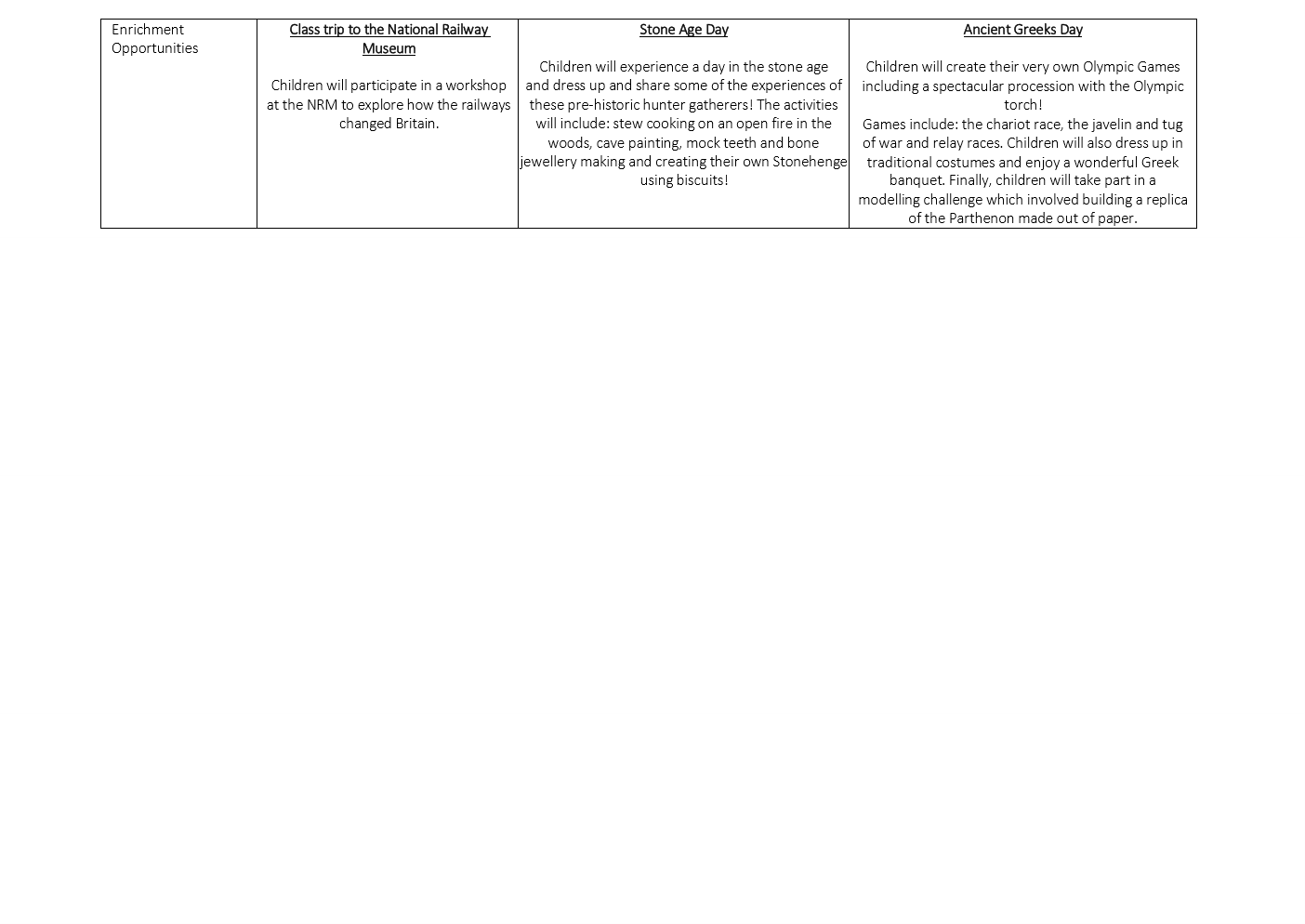
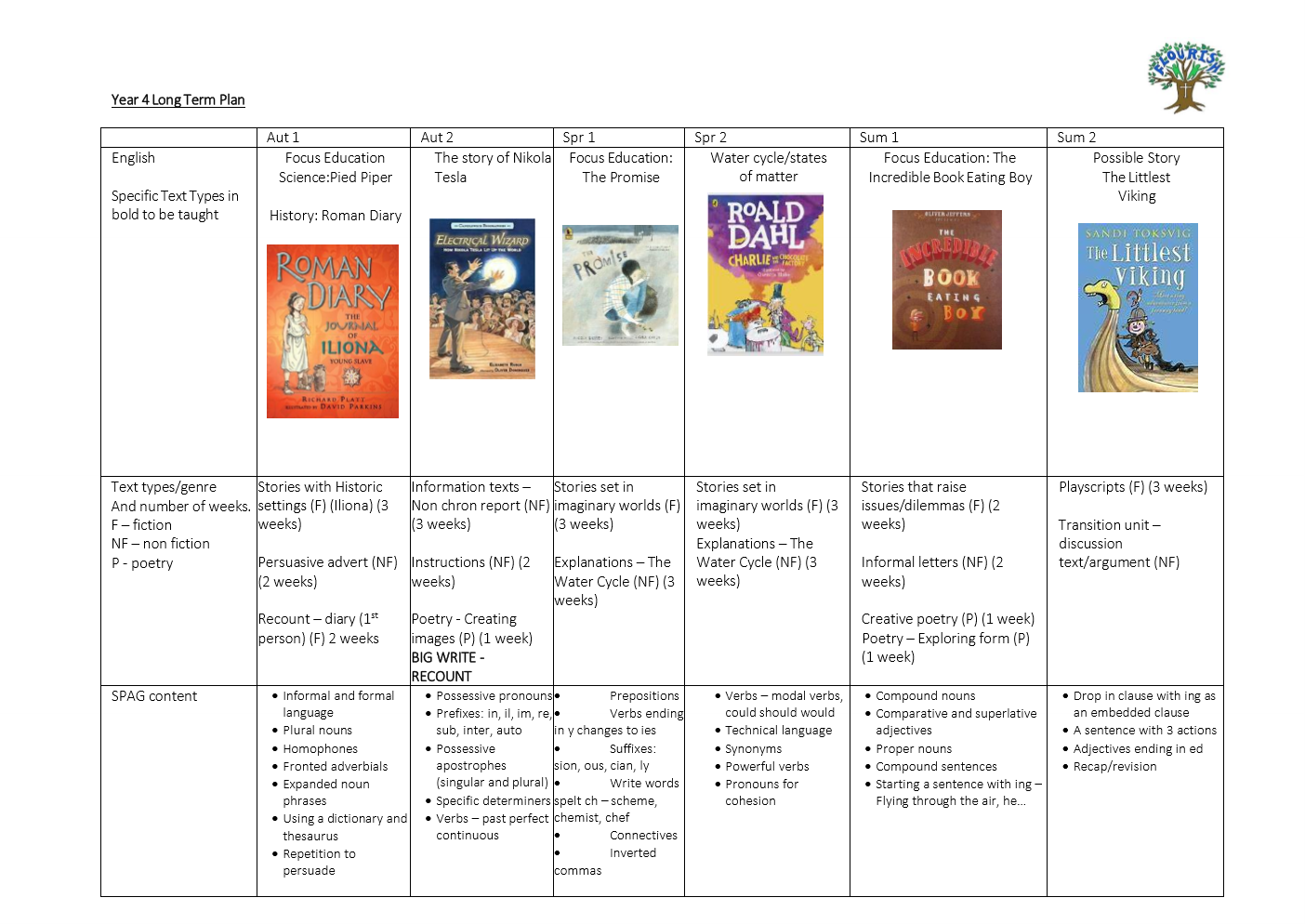
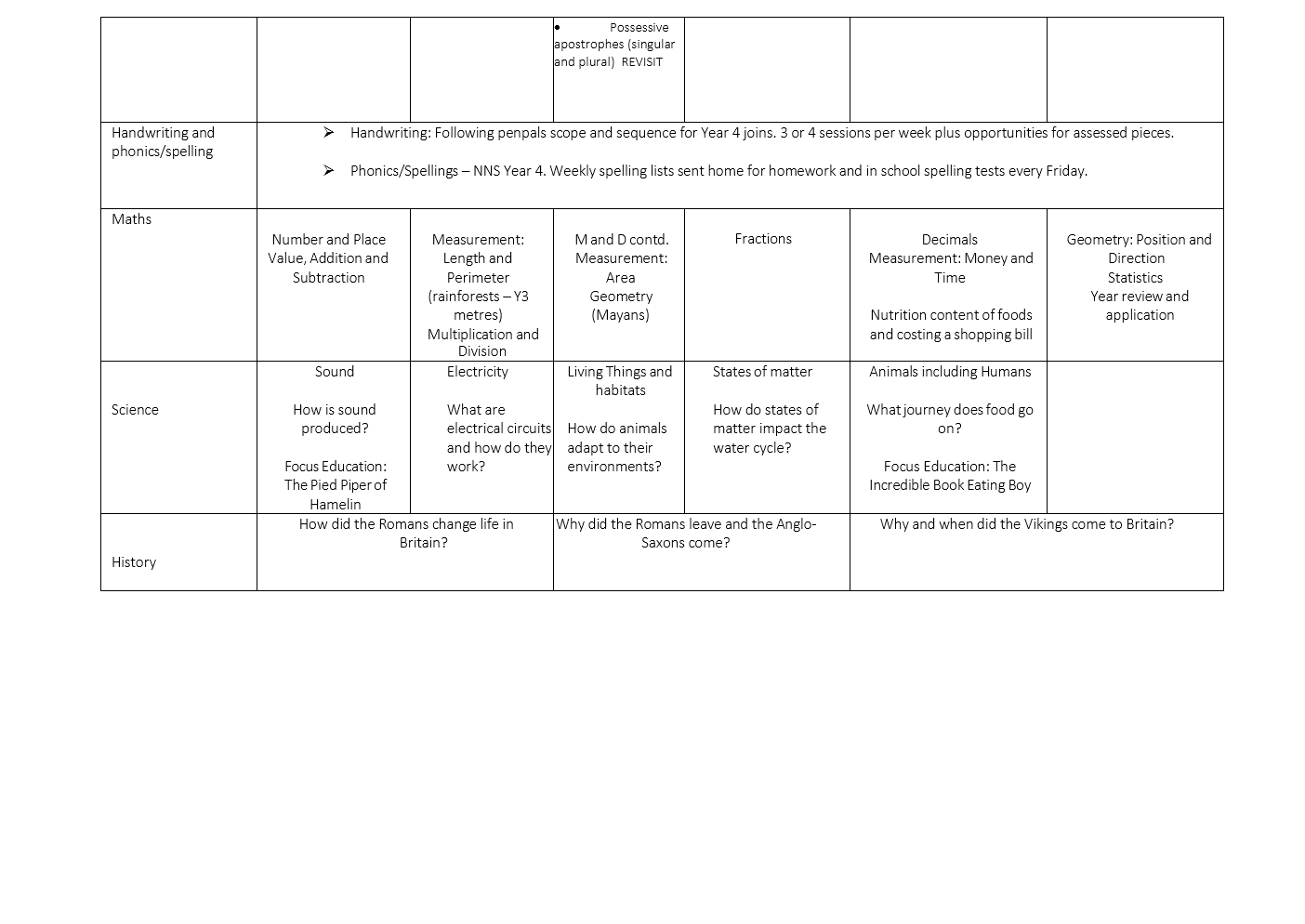
Year 4
Year 4 Reading
Year 4 shows progression from Year 3 with an increased expectation in written tasks and children showcasing their knowledge. Reading VIPERS continues to be the platform used to teach develop reading, inference and comprehension skills – these are taught explicitly so children know what they are learning. Timetabling allows for more DEAR opportunities and paired reading to further support fluency and expression. Those LAP and SEND children have at least weekly 1:1 reading sessions with an adult and have work scaffolded so they can consolidate and build on their knowledge with some success. The CT also reads to the children on a daily basis, a longer class book, which exposes them to different authors/genres etc.
Year 4 Writing
- 10 spellings weekly and put 6 into sentences
- Find meaning/ definition of 3 words and/or vocab challenge
- Maths basic skills and consolidate frequency Q’s
- Regular reading at home of their school book
Year 5
Year 5 Reading
When the children move into Year 5 they are introduced to Reading circles – an alternative approach to guided reading and comprehension tasks. Children are taught the 9 different roles, as a class, at the start of the school year. Examples are modelled, specific skills taught as a whole class or ability group and children are encouraged to ‘have a go’ before reading circles is sent as homework. The children then share homework in their groups, facilitated but not led by the CT. Children gain deeper understanding of texts, vocab and style, the use of chapters, links to their own experiences etc. DEAR opportunities are also important and this happens at least 3 times a week. Numerous other opportunities to read and discuss new vocabulary occur throughout each and every day. Children with SEND or support plans read more regularly on a 1:1 basis and partner reading is also used where appropriate to promote confidence, independence and skills.
Year 5 Writing
In Year 5, children write detailed answers and explanations in response to reading tasks. They are also taught key SPAG concepts in line with the long term plan and in response to the text type studied (e.g. biographies, fronted adverbials and use of pronouns and relative clauses). When planning for an extended write, teaching sequences follow a similar hook, practise, model, plan and draft approach as seen in early Key Stage 2. Teachers provide high level modelled texts and sentence level examples, exemplifying key features and author’s choices – e.g. use of pronouns and fronted adverbials to signal a flashback in a story, and other cohesive devices and vocabulary for effect.
Teachers also model peer assessment and use good examples of student work to encourage peer feedback and give experience of looking for key features that make writing successful. Editing and redrafting is carried out with children and children are directed to make revisions and changes that will improve the impact of the writing.
Homework
- Weekly reading circles tasks
- Maths activity
- 10 spellings – at least 6 ‘creative’ sentences/definitions/ word class etc
- Reading at home (this may be a chapter book of their own choice)
Year 6
Year 6 Reading
In Year 6 the children revisit the roles and the expectation of work produced for reading circles is increased. Children take ownership of their reading and they consolidate skills in their long term memory. New vocabulary is regularly taught to all children and there are ample opportunities for wider reading. Again SEND and LAP children have additional support with intense reading on a 1:1 basis at least 3 times a week, word cards, personalised learning and books at their level. SATS style questions are also used to teach children the skills required to answer questions correctly to get maximum marks and meet the expected standard and beyond.
Year 6 Writing
In Year 6, children recap the SPAG content covered in previous years and build on this knowledge by learning higher level grammatical features. They begin to combine these with deliberate choices to suit the genre, purpose and audience of the text they are writing. SPAG is taught discretely and through reading comprehension sessions when identifying key features of a text or evaluating writing for its grammatical content.
Extended writing must include the use of a high quality example text. Children are given time to explore this themselves, discussing the overall impact of the text and the distinguishing features. With teacher guidance, students unpick the key features and how these create a successful and cohesive text. There is then opportunity to practise the key skills, plan and draft their own ideas and begin to construct their own piece of writing. This may be done over the course of a few days, a week or even a fortnight. As in Year 5, editing and improving is also modelled and completed in both peer to peer and independent circumstances to develop the skill of scanning writing for errors and reading aloud to consider the impact of different word choices and sentence structures. Meaningful changes are made to work; not just adding an adjective but altering structures, phrasing or punctuation for greater impact.
Homework
- Weekly reading circles tasks
- Maths activity
- 10 spellings – at least 6 ‘creative’ sentences/definitions/ word class etc
- Reading at home (this may be a chapter book of their own choice)
Intent
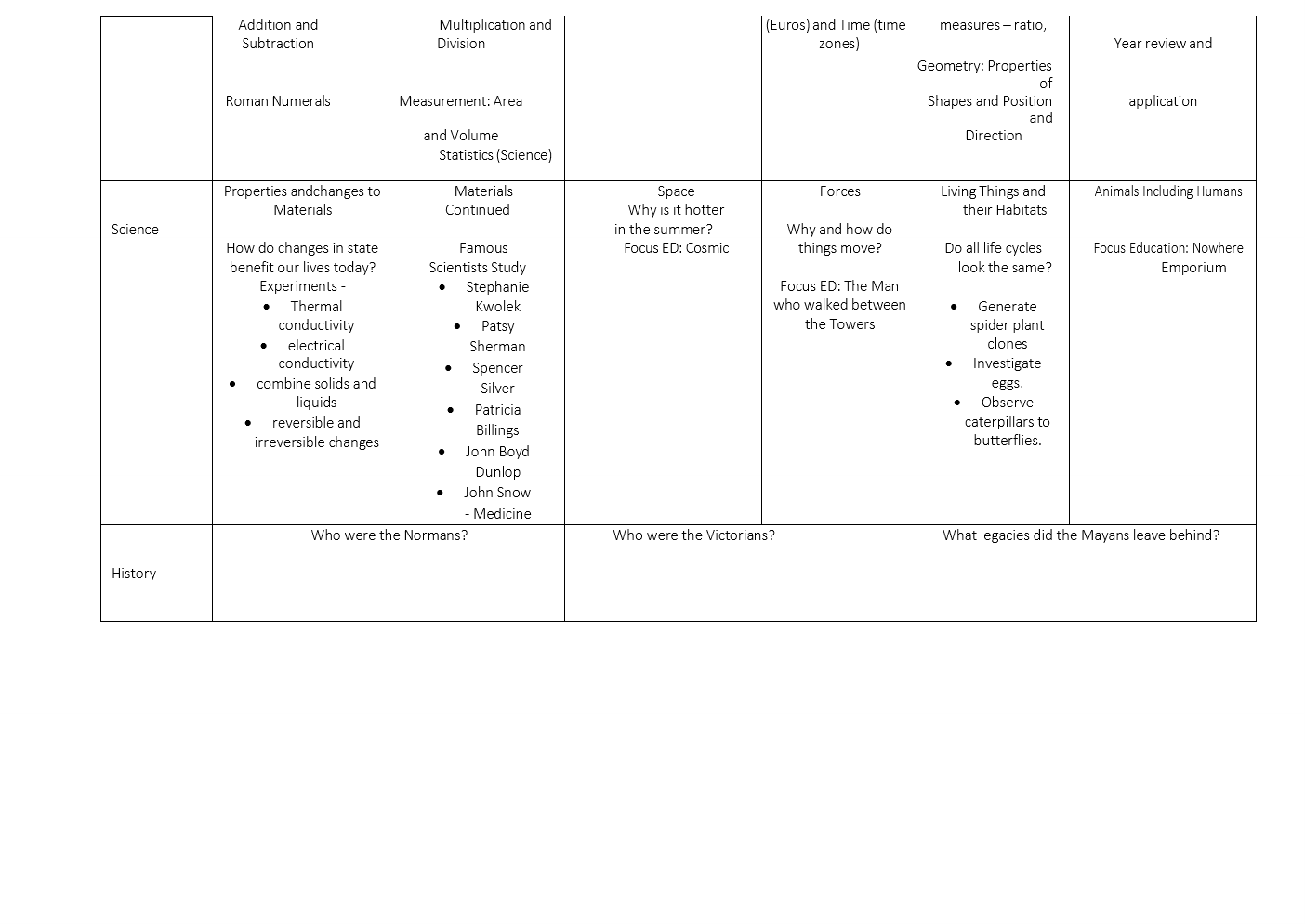
Science at Escrick Primary School fosters the natural curiosity children have and encourages respect and understanding of the world around them. Our approach to teaching Science aims to create inquisitive, resilient, and enquiry based learners.
Specialist vocabulary for topics is taught and developed, and effective questioning to communicate ideas is encouraged which aids children’s knowledge and understanding of the world.
We believe that children learn best by active engagement. We provide them with a range of opportunities to work scientifically, ensuring these skills are at the heart of our science curriculum.
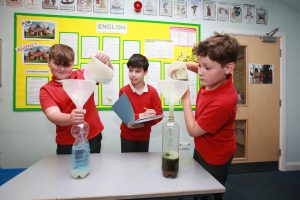
Implementation
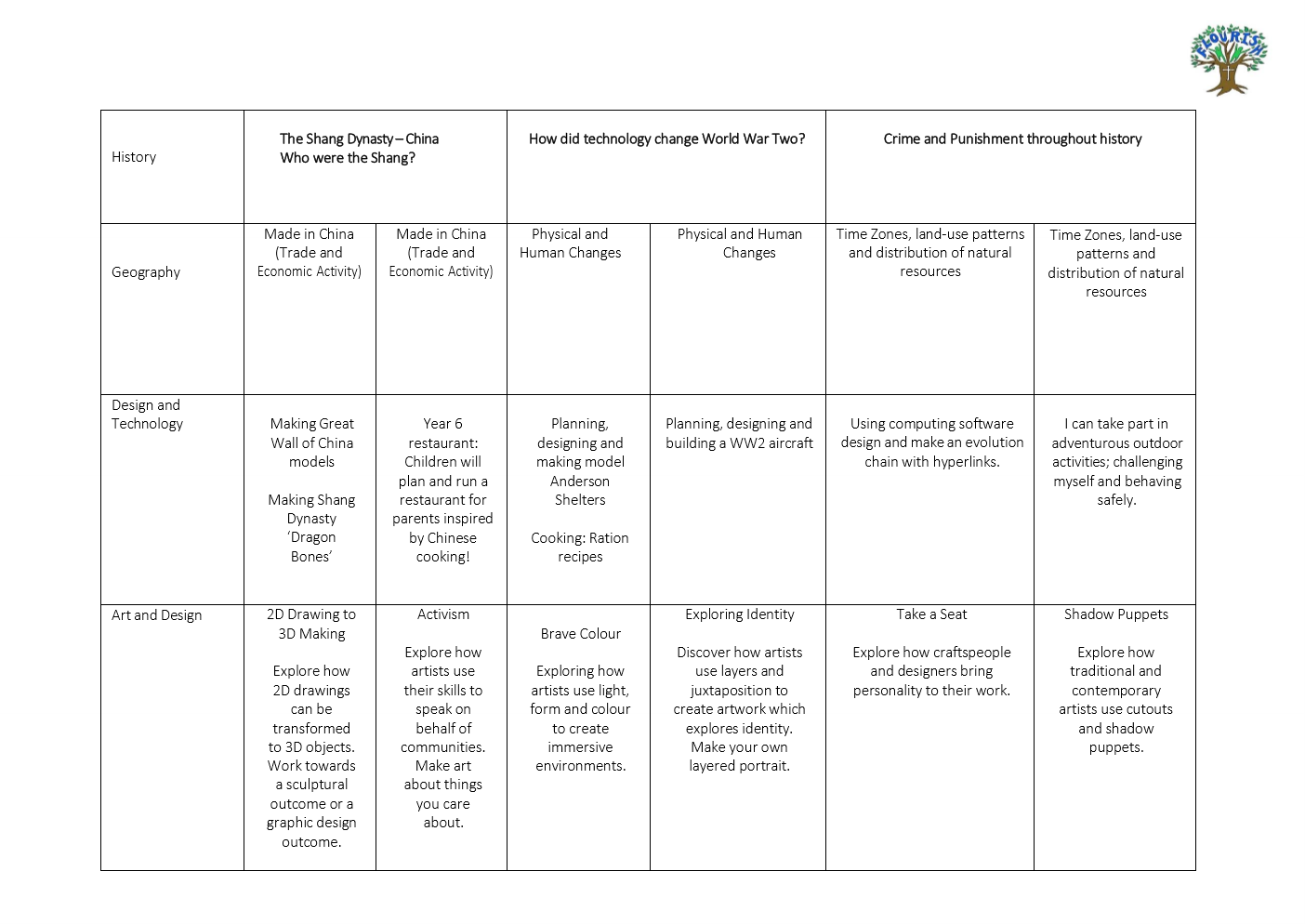
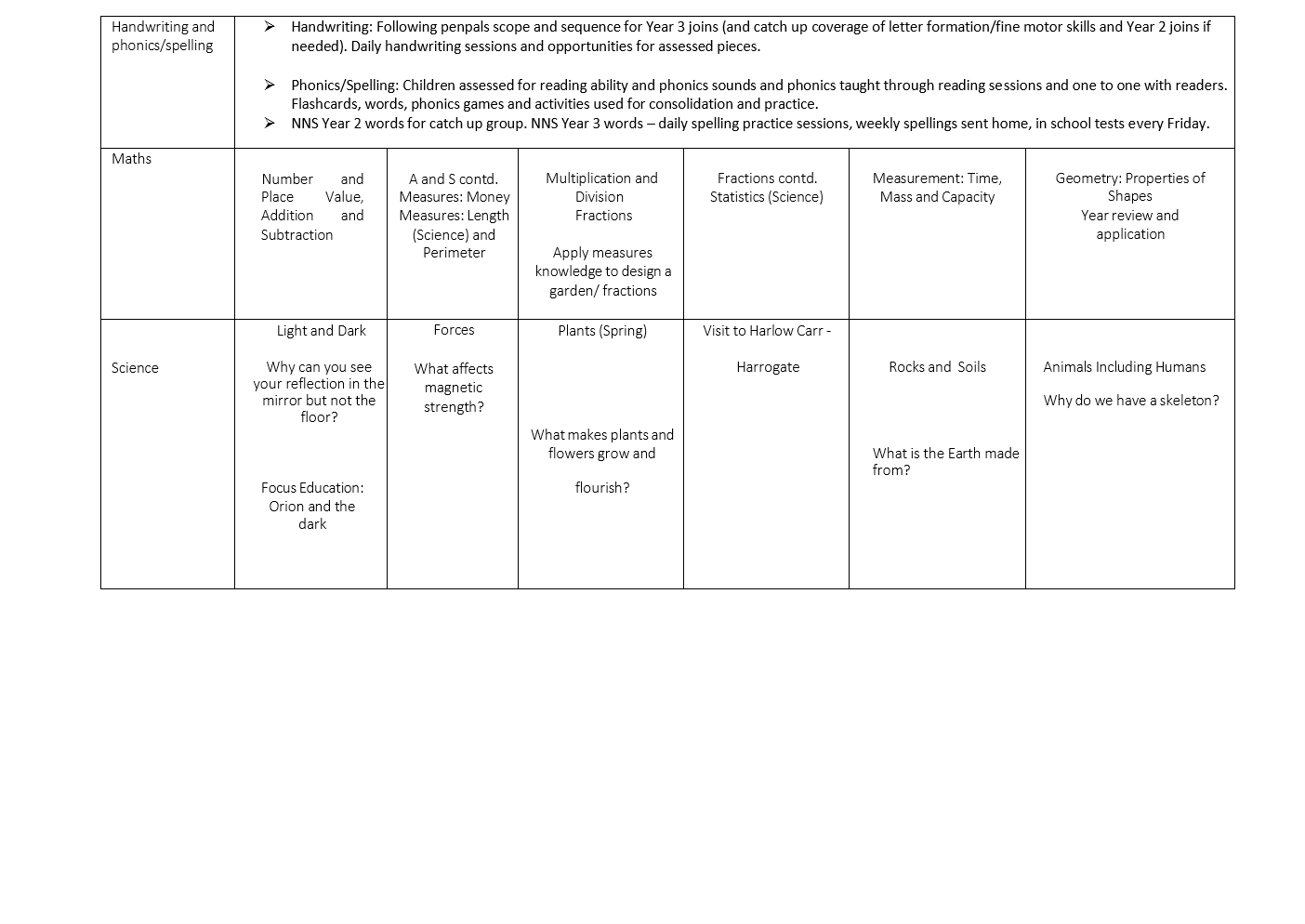
Class teachers will plan and teach meaningful weekly science lessons aiming to develop knowledge, skills and confidence in Science. In the Early Years Foundation Stage, Science is covered within knowledge and understanding of the world. In KS1 and KS2, class teachers will plan their lessons following the school Science curriculum and following our Long-Term Plan.
When planning and teaching Science, teachers should aim where possible to make links with other subjects so the children can transfer and apply their skills. Teachers will use Focus Education units where appropriate, to ensure high level reading and writing are a vehicle to learn about and present Science learning.
Teachers will plan for collaborative learning within teams and groups in order to support and help one another to reach their goals. Children will also be asked to solve problems and answer questions independently; individual learning in Science will create resilient, confident learners.
Teachers demonstrate how to use scientific equipment, and the various Working Scientifically skills in order to embed scientific understanding. Teachers find opportunities to develop children’s understanding of their surroundings by accessing outdoor learning and workshops with experts. Children are also offered a wide range of extra-curricular activities, visits, trips and visitors to complement and broaden the curriculum. Regular events, such as Science Week allow all pupils to come off-timetable, to provide broader provision and the acquisition and application of knowledge and skills.
At the end of each topic, key knowledge is reviewed by the children and checked by the teacher to inform monitoring and assessment of Science, this information is then passed onto the subject leader.
Impact
The successful approach at Escrick results in a fun, engaging, high-quality science education, that provides children with the foundations and knowledge for understanding the world. We want children to enjoy and value science and appreciate the range of skills it will provide them with. An essential part of the children becoming scientists is promoting curiosity and encouraging the children to ask questions. By the end of KS2, our expectation is that children will be able to develop their own questions, plan different types of enquiries to answer those questions and communicate their findings in a variety of ways. Children will understand that part of science is failing and that problem solving helps us to overcome these failures. They will understand the role that science and other STEM subjects play in solving some of the key problems facing the world, such as climate change.
Our engagement with the local environment ensures that children learn through varied and first-hand experiences of the world around them. Through various workshops, trips and interactions with experts and local charities, children will have a clear understanding of how scientists both past and present have contributed to society’s understanding of the world around them.
Children learn the possibilities for careers in science, as a result of our community links and connection with national agencies including the STEM association. They learn from and work with professionals, ensuring access to positive role models within the field of science from the immediate and wider local community.
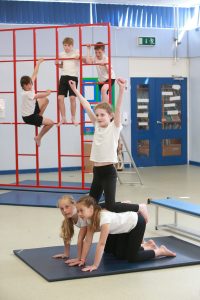
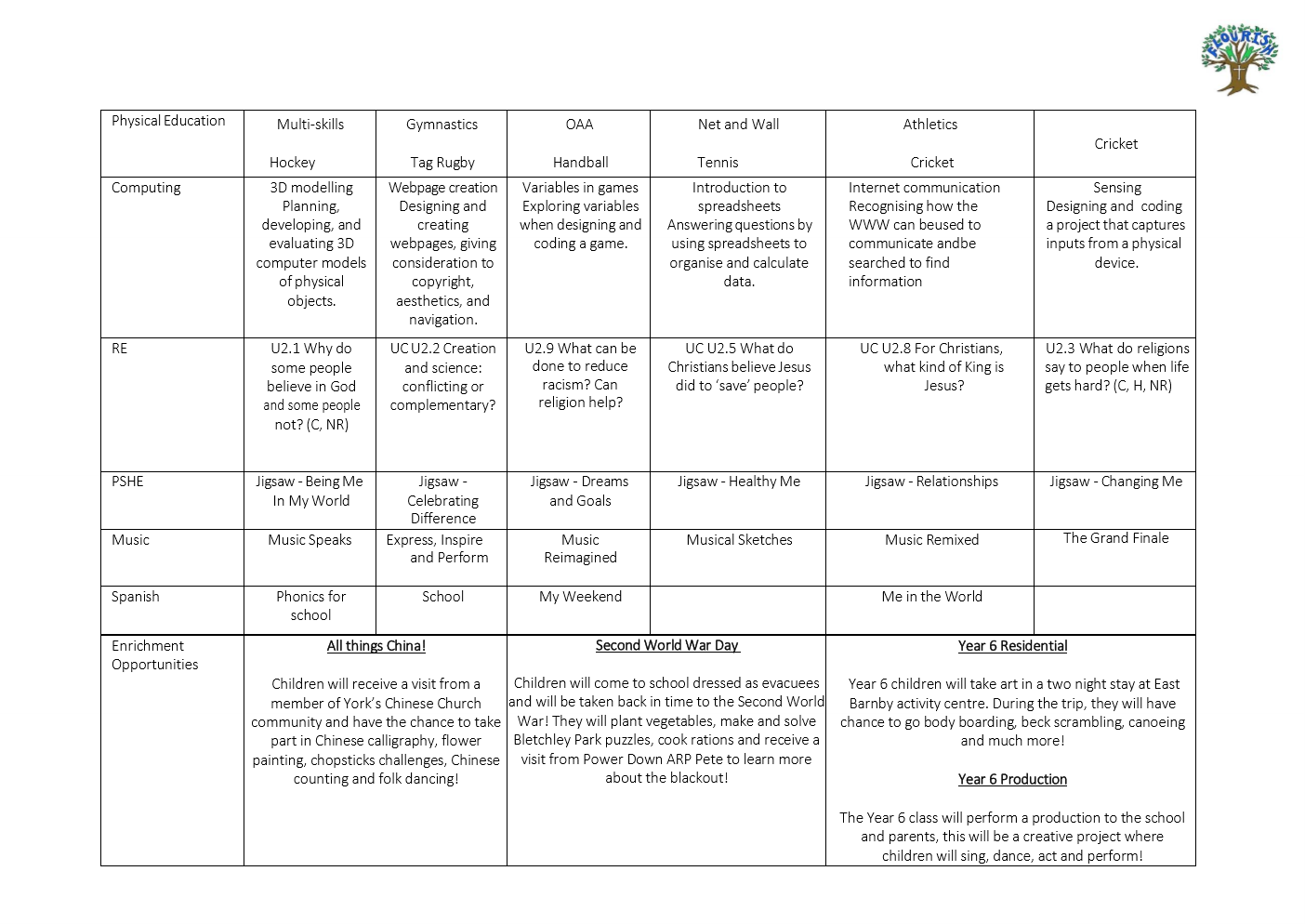
At Escrick Primary School we are passionate about our sport and regularly take part in competitions, friendly games and have intra-school events.
Mr Broxup is our PE coordinator. Please feel free to ask anything or suggest clubs we may run, events to look out for and clubs which the children might like outside of school.
- You can find our PE Policy on our Policies page.
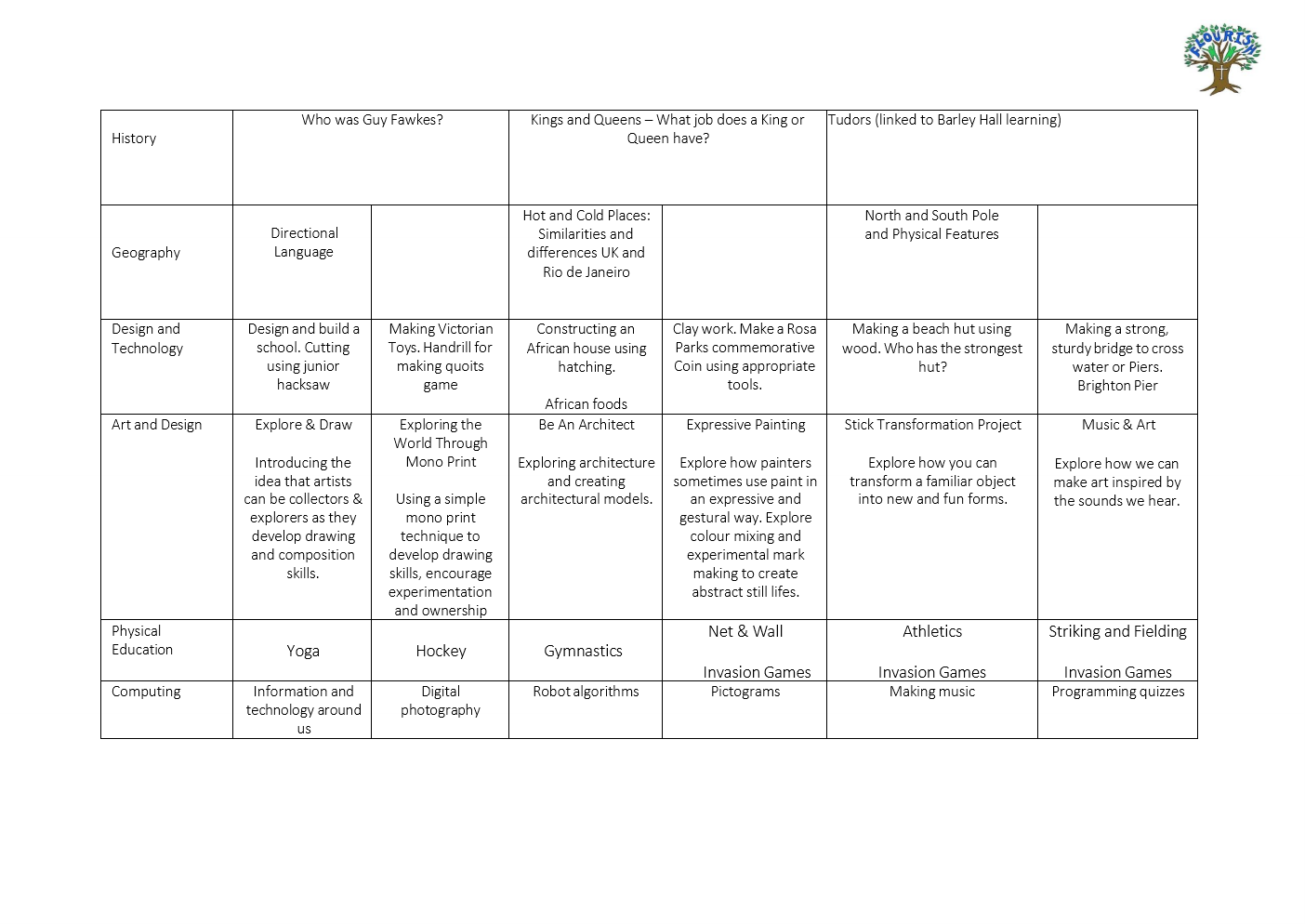
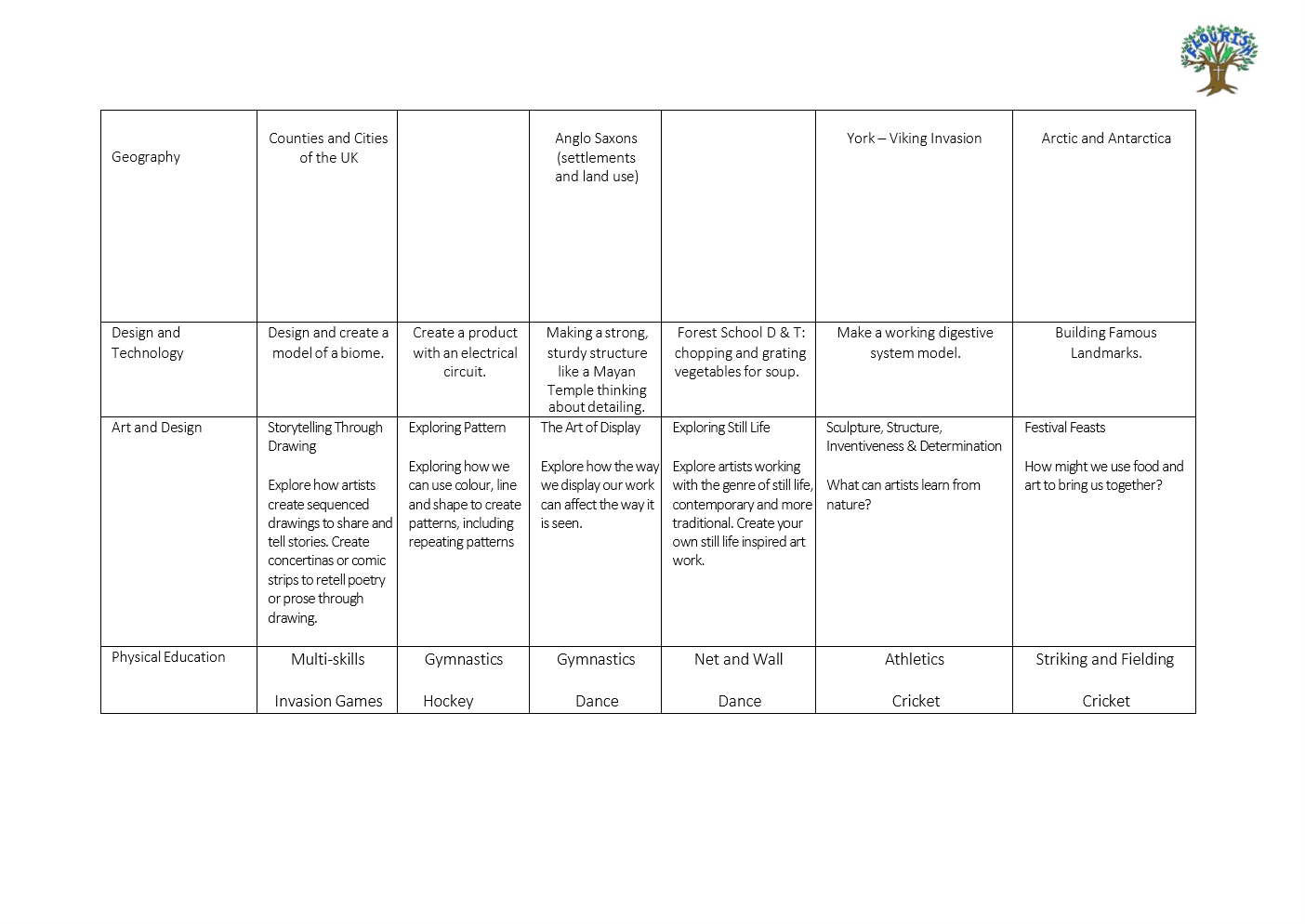
- PE Curriculum Map
- PE Progression of Skills
Intent
At Escrick CE Primary School, our Religious Education (RE) curriculum is deeply rooted in our Christian vision and values, and is designed to help every child flourish academically, emotionally, and spiritually. We are committed to creating a nurturing and inclusive environment where all children are encouraged to develop a strong sense of self, respect for others, and curiosity about the world around them. RE has a central and significant role within our curriculum and is closely aligned with our school values of Friendship, Learning, Opportunity, Unique, Respect, Resilience, Included, Solve Problems, and Happy.
Our intent is to provide high-quality religious education that celebrates diversity, builds religious literacy, and encourages children to engage meaningfully with life’s big questions. Through exploring different faiths and worldviews, pupils are supported in developing empathy, kindness, and a respectful attitude towards others. We aim to enable children to explore their own beliefs and values while understanding and appreciating the beliefs of others. Our curriculum fosters critical thinking, promotes inclusivity, and helps children recognise their place in the wider world. Our Christian ethos, underpinned by the values of Wisdom and Joy, guides everything we do and supports the spiritual, moral, social, and cultural development of every child in our care.
Implementation
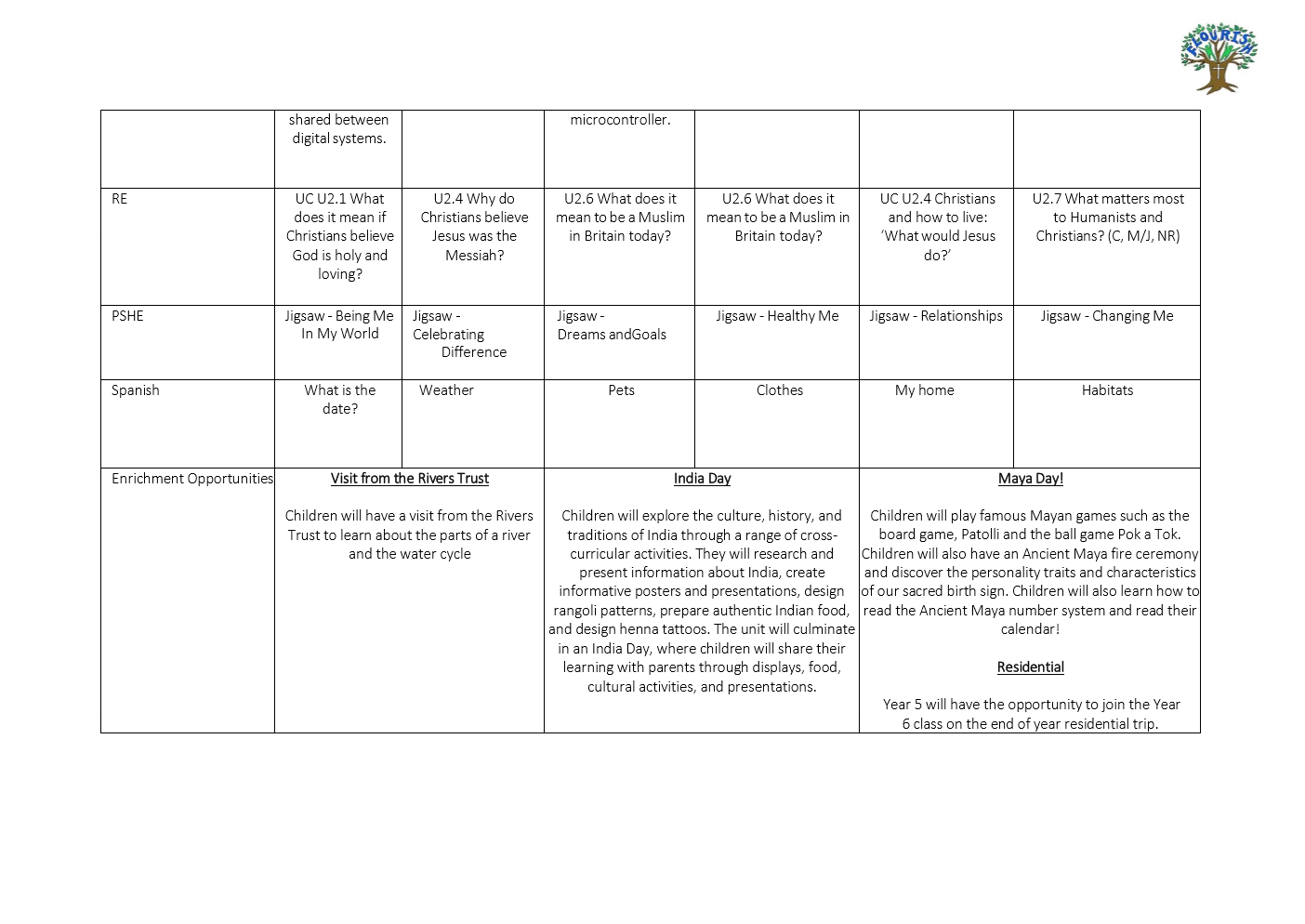
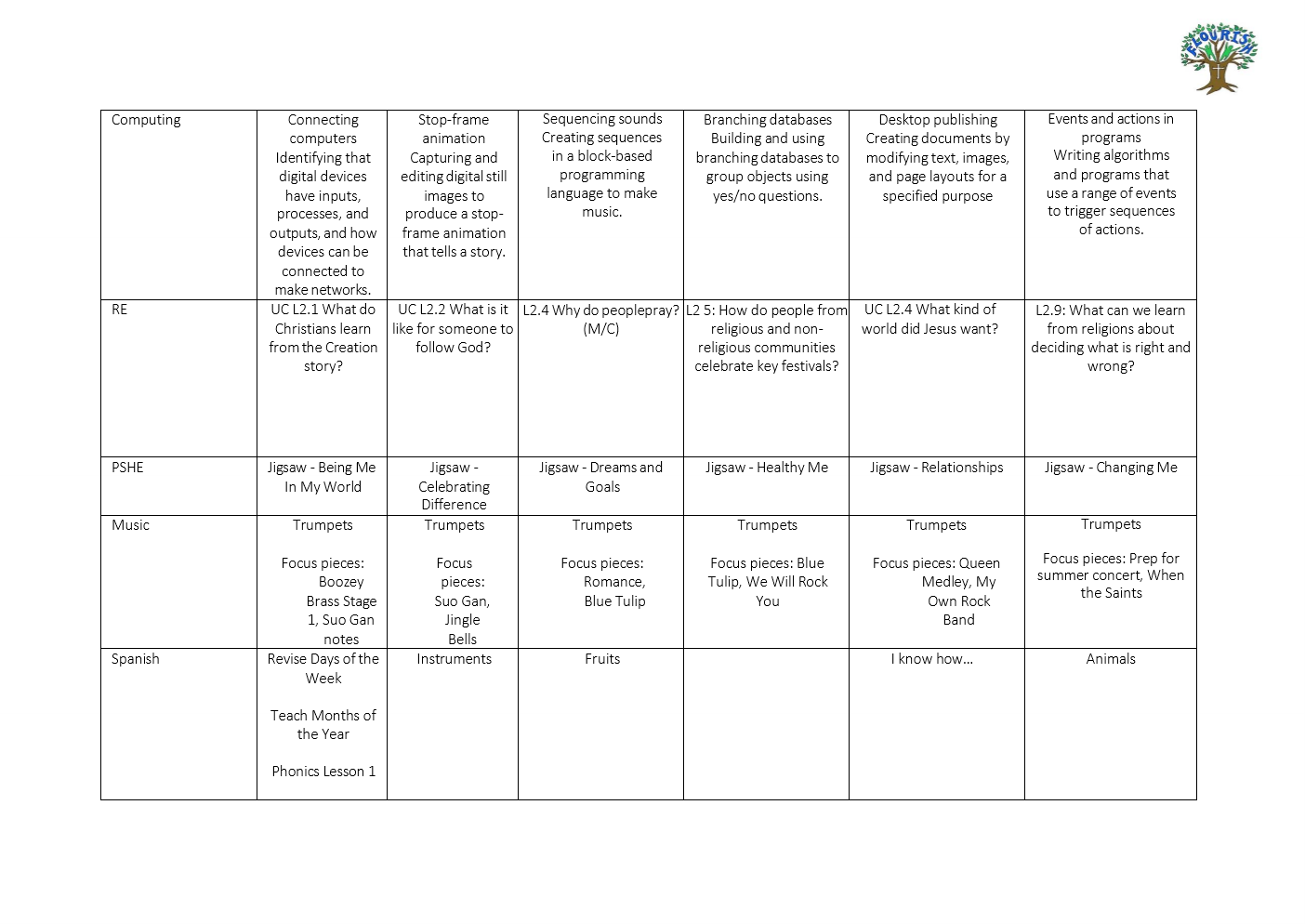
Religious Education at Escrick CE Primary is delivered through a well-structured and progressive curriculum that follows the North Yorkshire Agreed Syllabus for Religious Education (2024–2029) and is enriched by the Understanding Christianity resource. We use an enquiry-based approach that encourages pupils to ask and explore challenging questions, helping them to gain a secure and well-rounded understanding of different religions and worldviews. The curriculum builds systematically across the year groups, allowing children to revisit and deepen their knowledge through key concepts and ideas.
A key feature of our curriculum is the inclusion of the five ‘Golden Threads’ – Practices and Worship, Festivals and Celebrations, Morality and Values, Community and Belonging, and Beliefs and Sacred Texts. These threads run consistently throughout the curriculum, connecting learning over time and ensuring coherence across different faiths and belief systems. Our approach allows children to make connections between their learning and the real world, encouraging them to explore how belief influences actions and decisions.
RE is taught weekly, and lessons are carefully planned to build on prior learning and develop pupils’ understanding in a logical and meaningful way. We provide rich learning experiences through visits to places of worship and by welcoming visitors into school to share their beliefs and practices. In addition, we work closely with local organisations that offer religious workshops, helping to bring faith to life in engaging and relevant ways. The curriculum includes learning about Christianity as a living and diverse faith, alongside Islam, Judaism, Hinduism, and non-religious worldviews, reflecting the diverse community we serve and preparing pupils to live well in a multi-faith society.
Impact
The impact of our RE curriculum is reflected in the attitudes, understanding, and values demonstrated by our pupils both within school and in their wider lives. Children develop a strong foundation of religious knowledge, enabling them to engage in thoughtful and respectful conversations about faith, belief, and identity. They become confident in articulating their own views while showing empathy and appreciation for those who may think differently.
Our pupils leave Escrick CE Primary with the skills needed to navigate an increasingly diverse world. They demonstrate respect for others, an understanding of global faith traditions, and a willingness to engage in moral and spiritual reflection. The curriculum nurtures not only their intellectual development but also their personal growth, encouraging them to be compassionate, informed, and reflective individuals.
By linking learning to our school vision and values, Religious Education at Escrick CE Primary School supports the development of well-rounded individuals who are ready to contribute positively to their communities. Our children understand that everyone is a valued piece of the Escrick Jigsaw, and through RE, they are inspired to grow, learn, and make a difference in the world.
- You can find our full RE Policy, Collective Worship Policy, and our SMSC Policy on our Policies page.
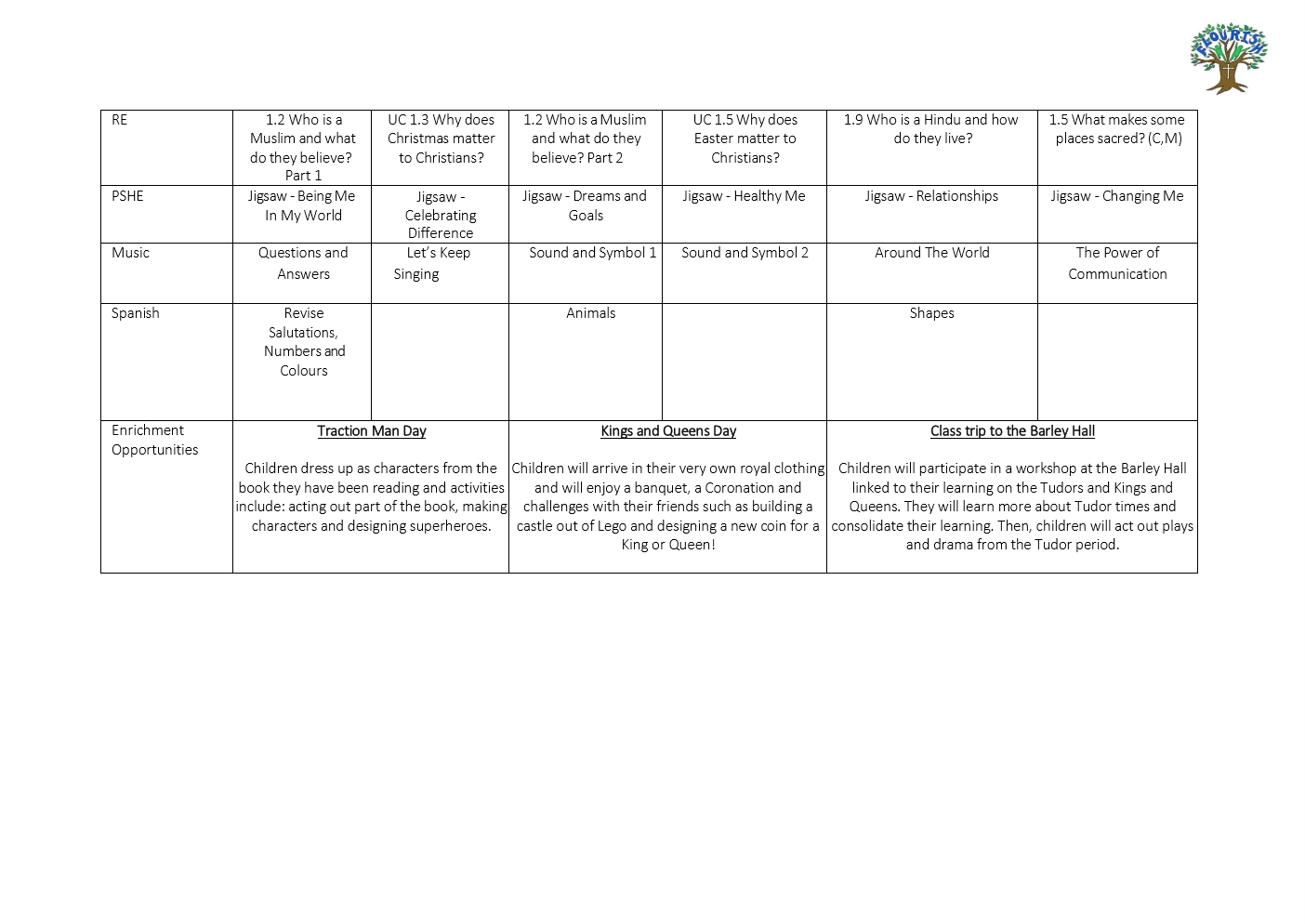
- Escrick RE LTP and Progression
- RE Vocabulary Progression
- RE Long Term Plan Overview
Spirituality at Escrick
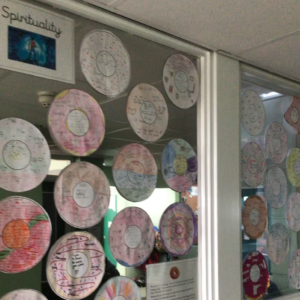
“Spirituality is not something we can see; it is something we feel within ourselves. It is about experiencing awe and wonder, asking deep questions, finding inspiration and being aware of something ‘bigger’ beyond ourselves.”
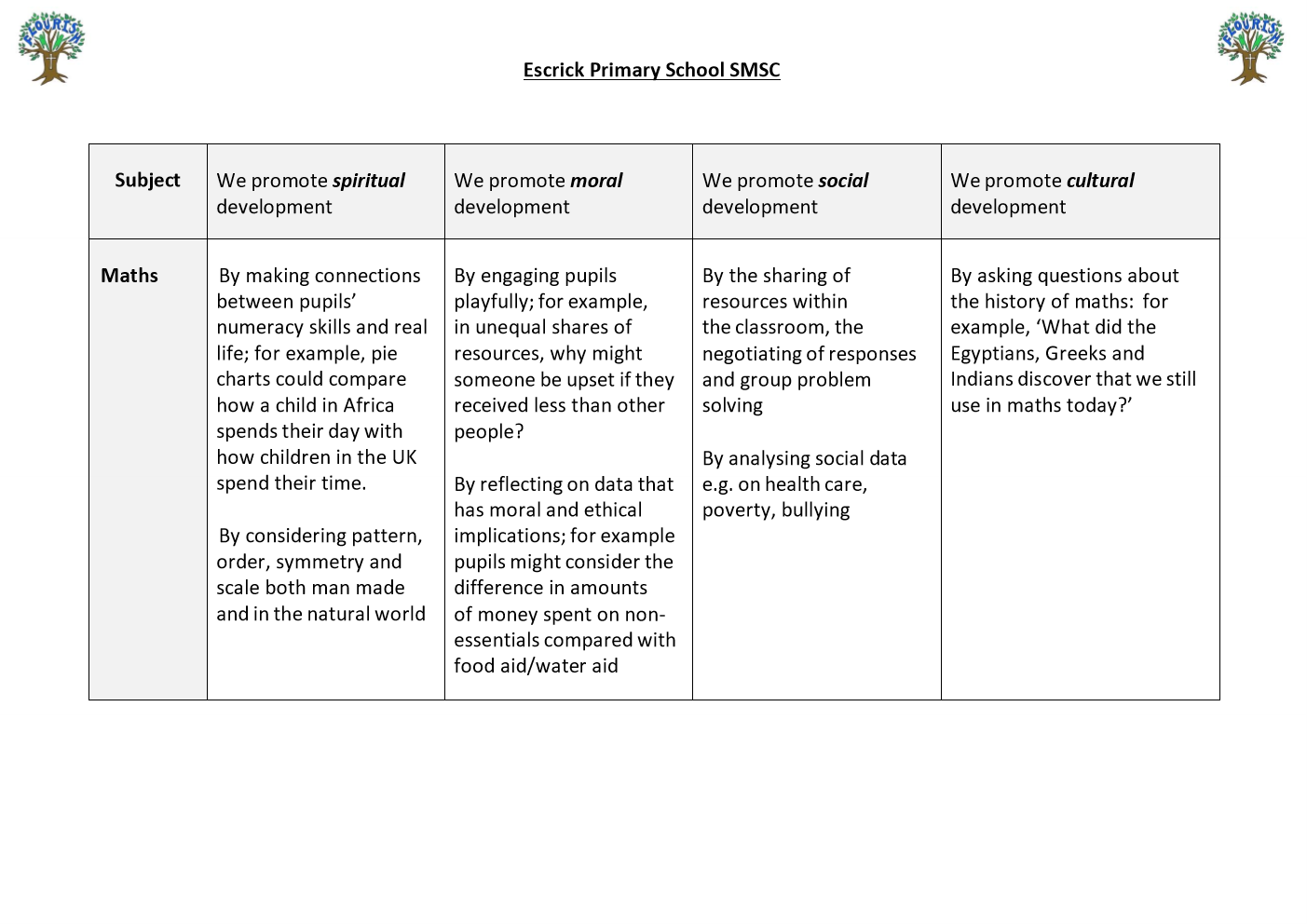
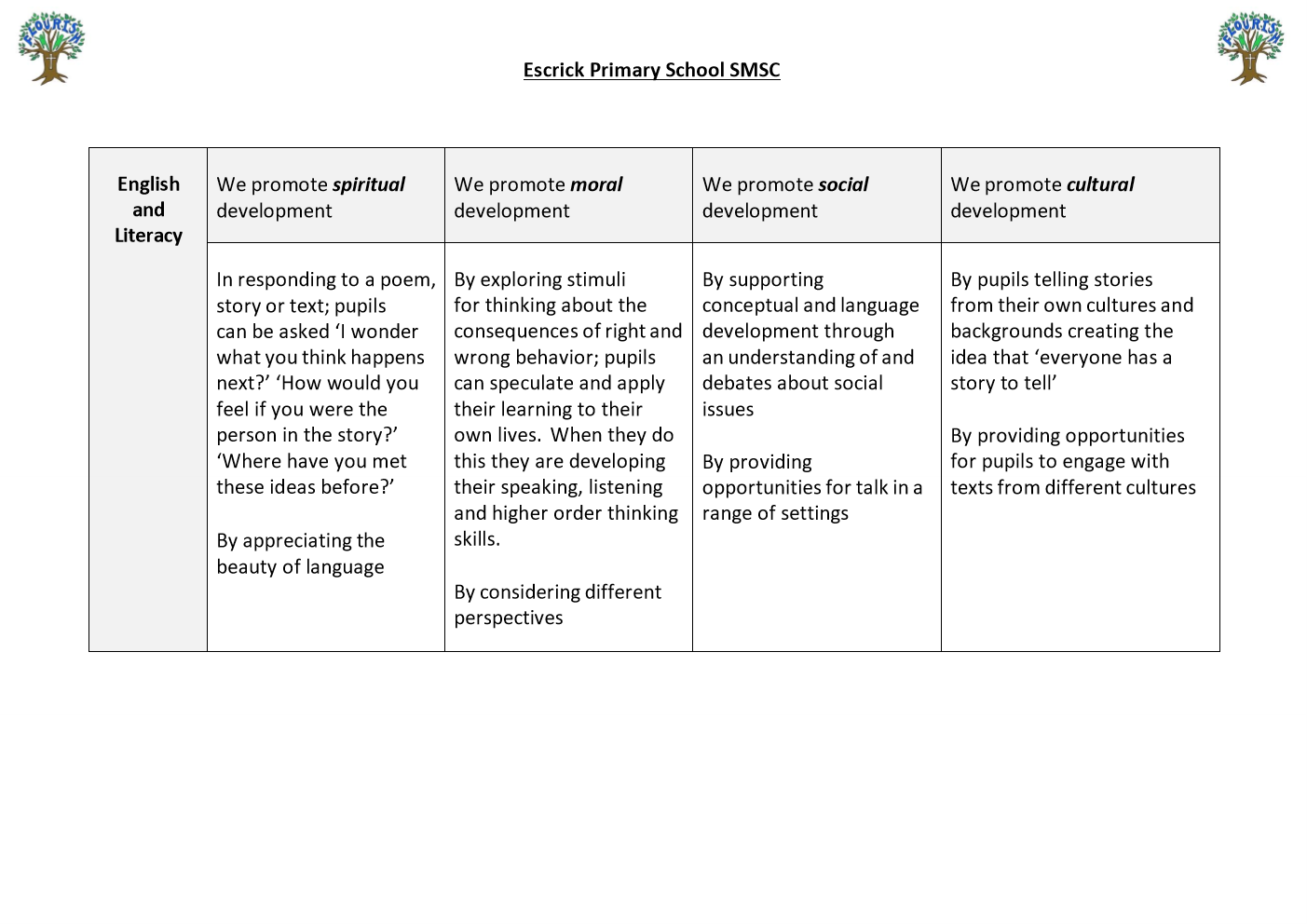
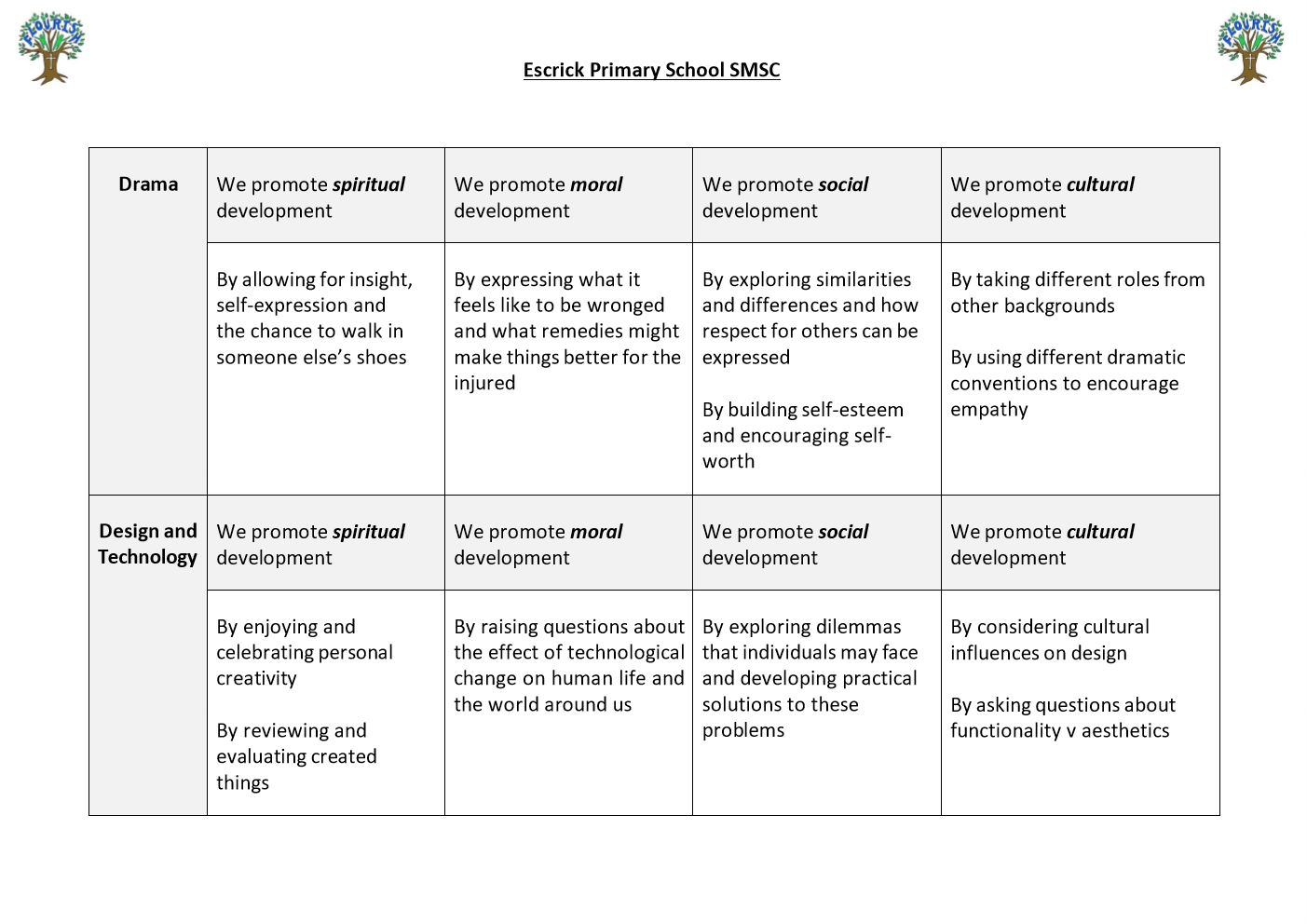
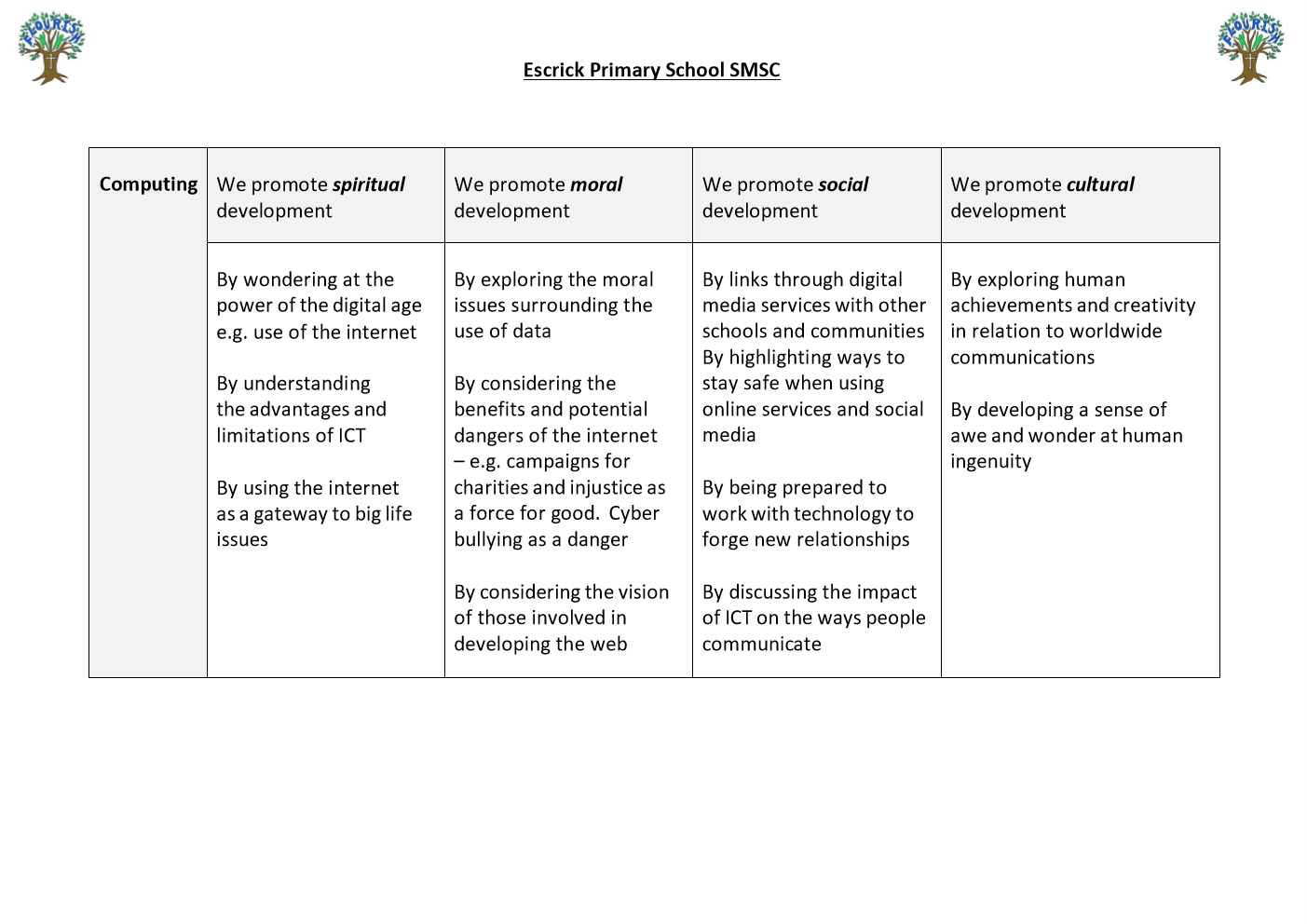
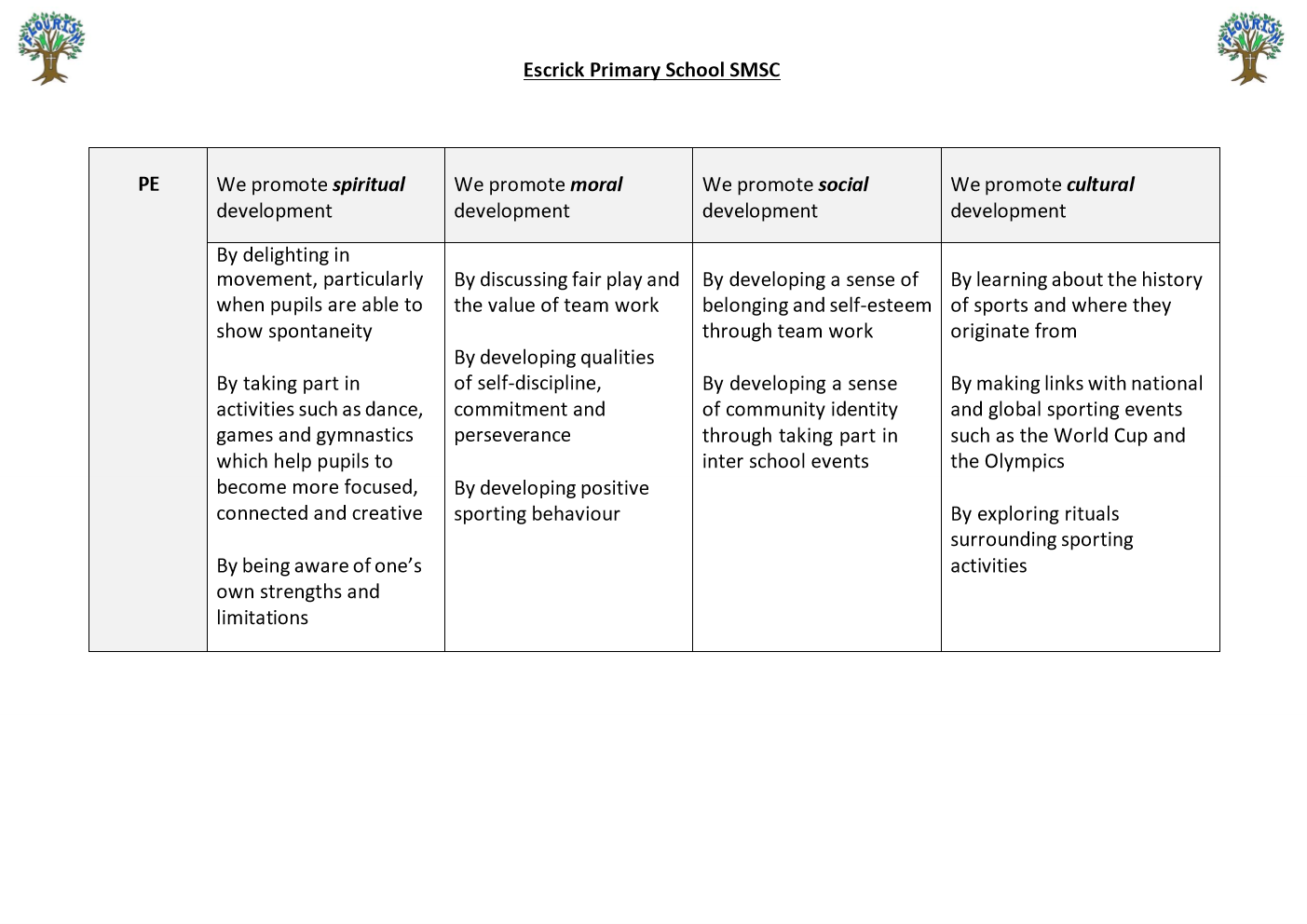
Opportunuties for SMSC throughout the curriculum
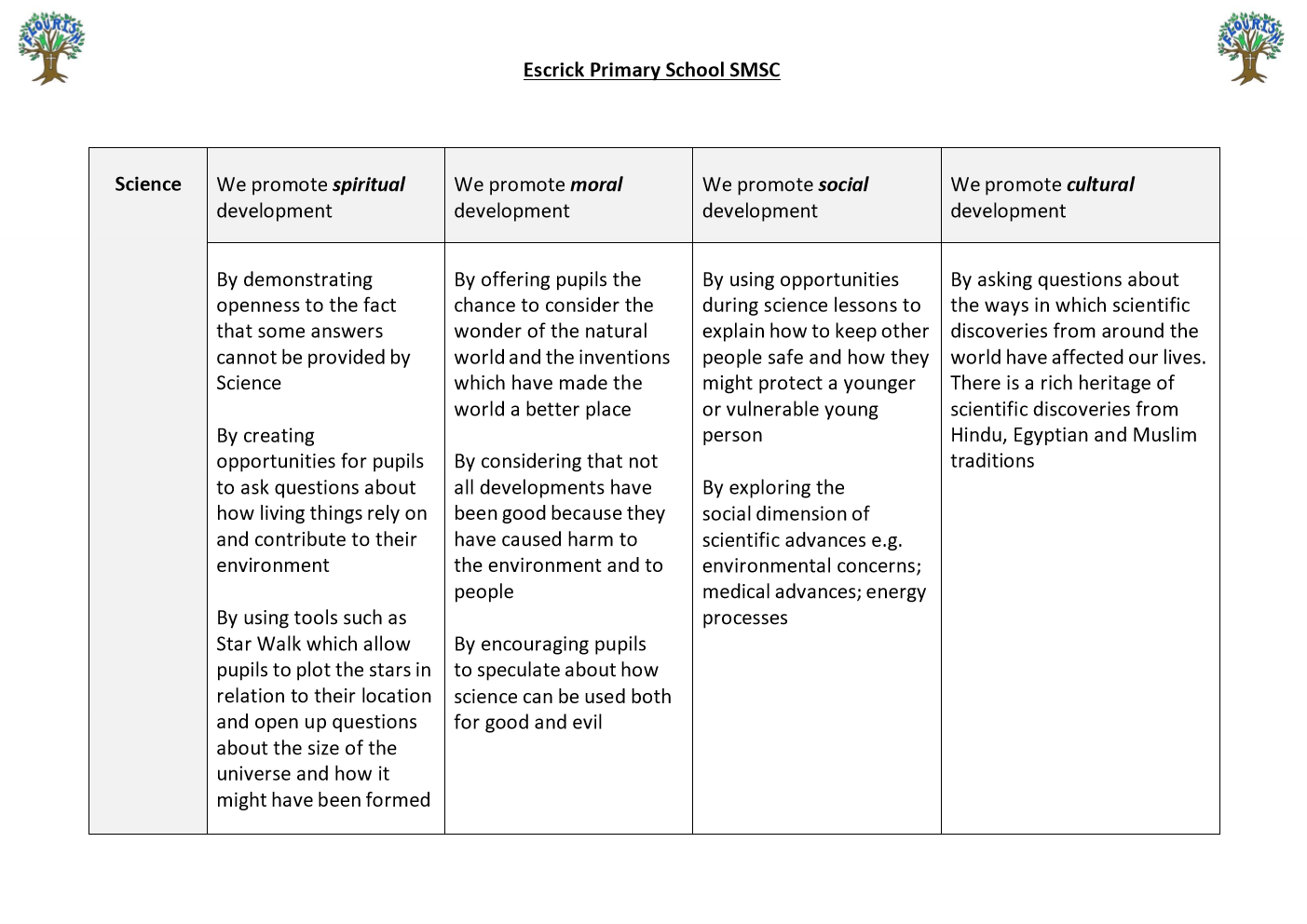
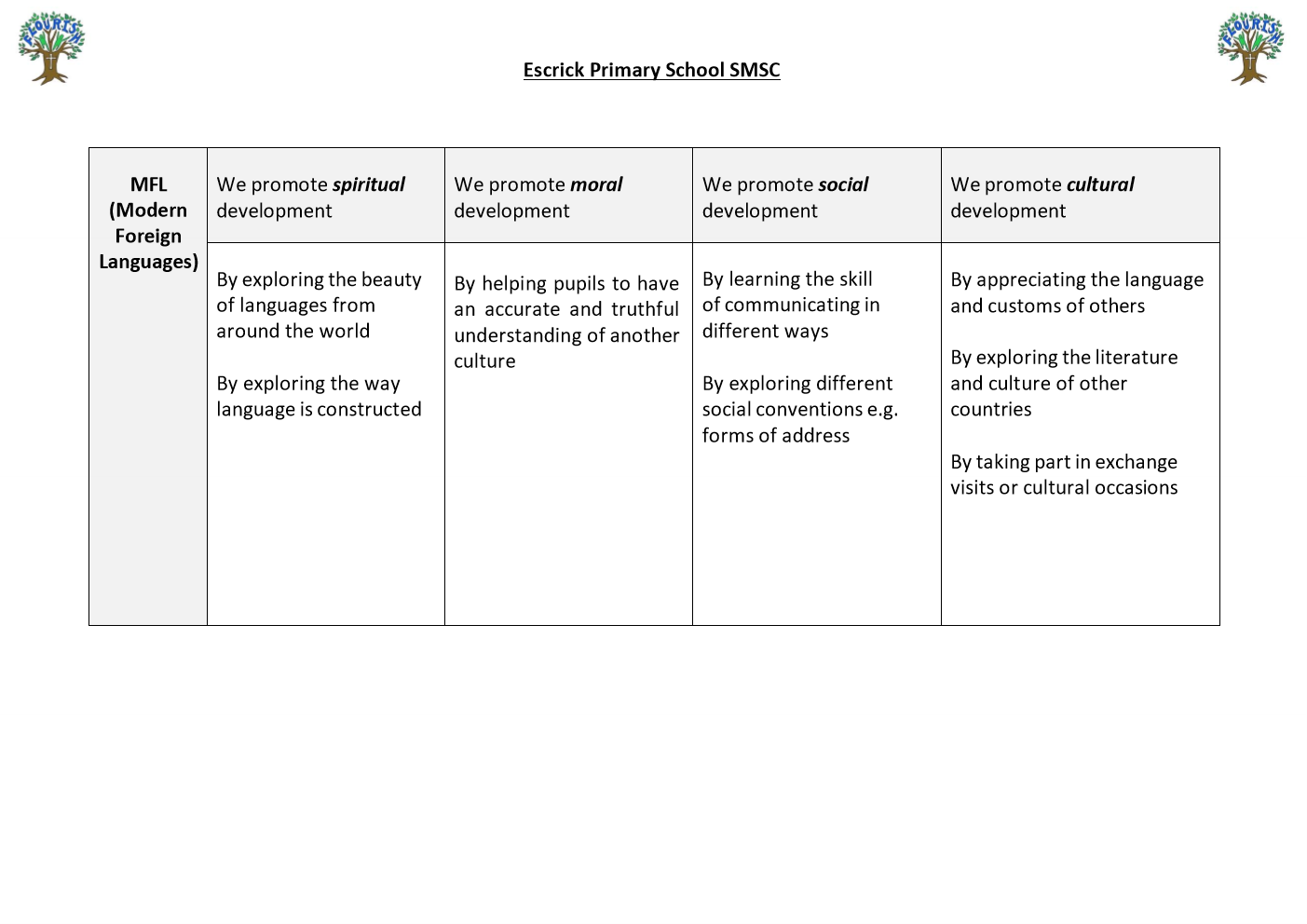
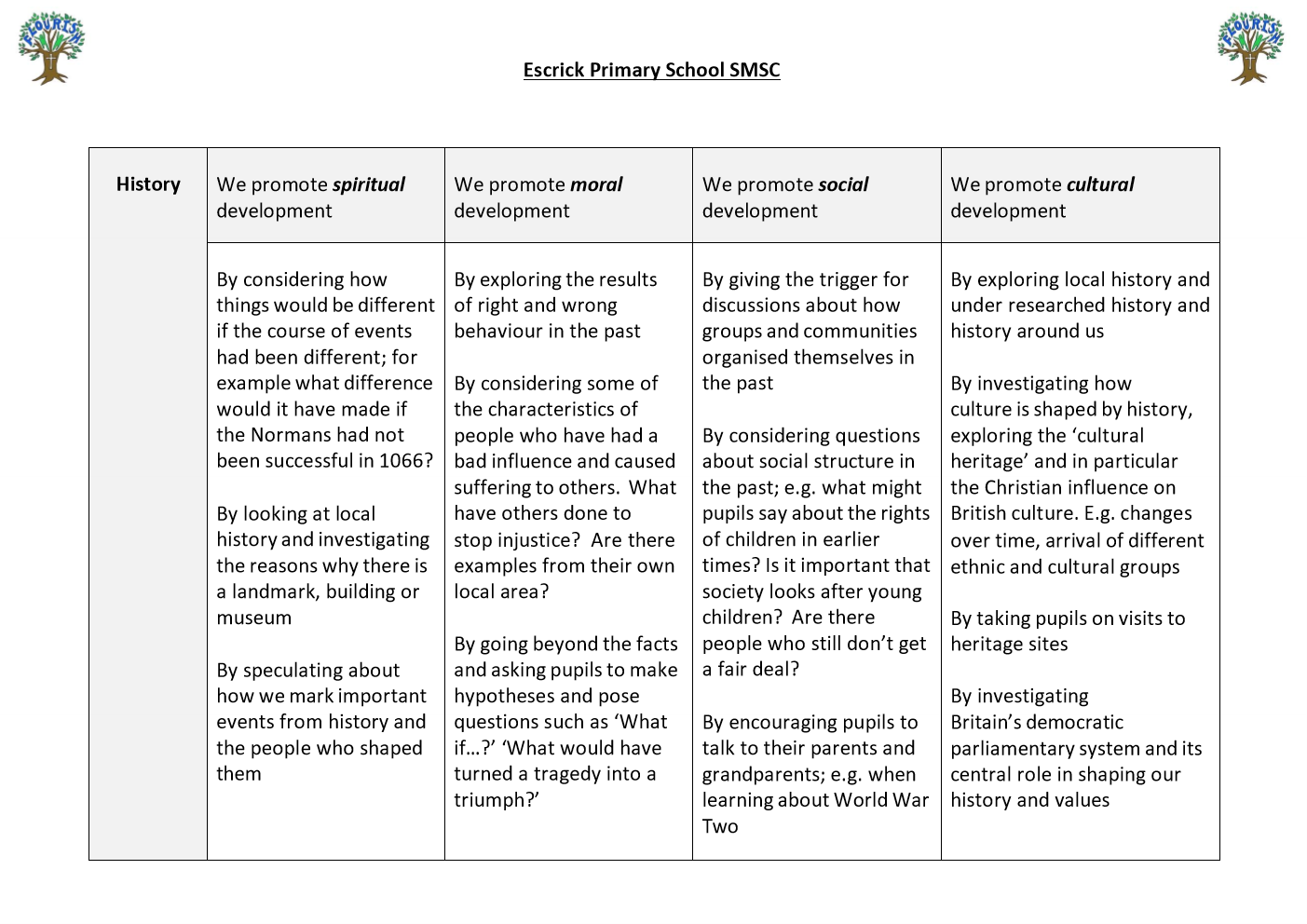
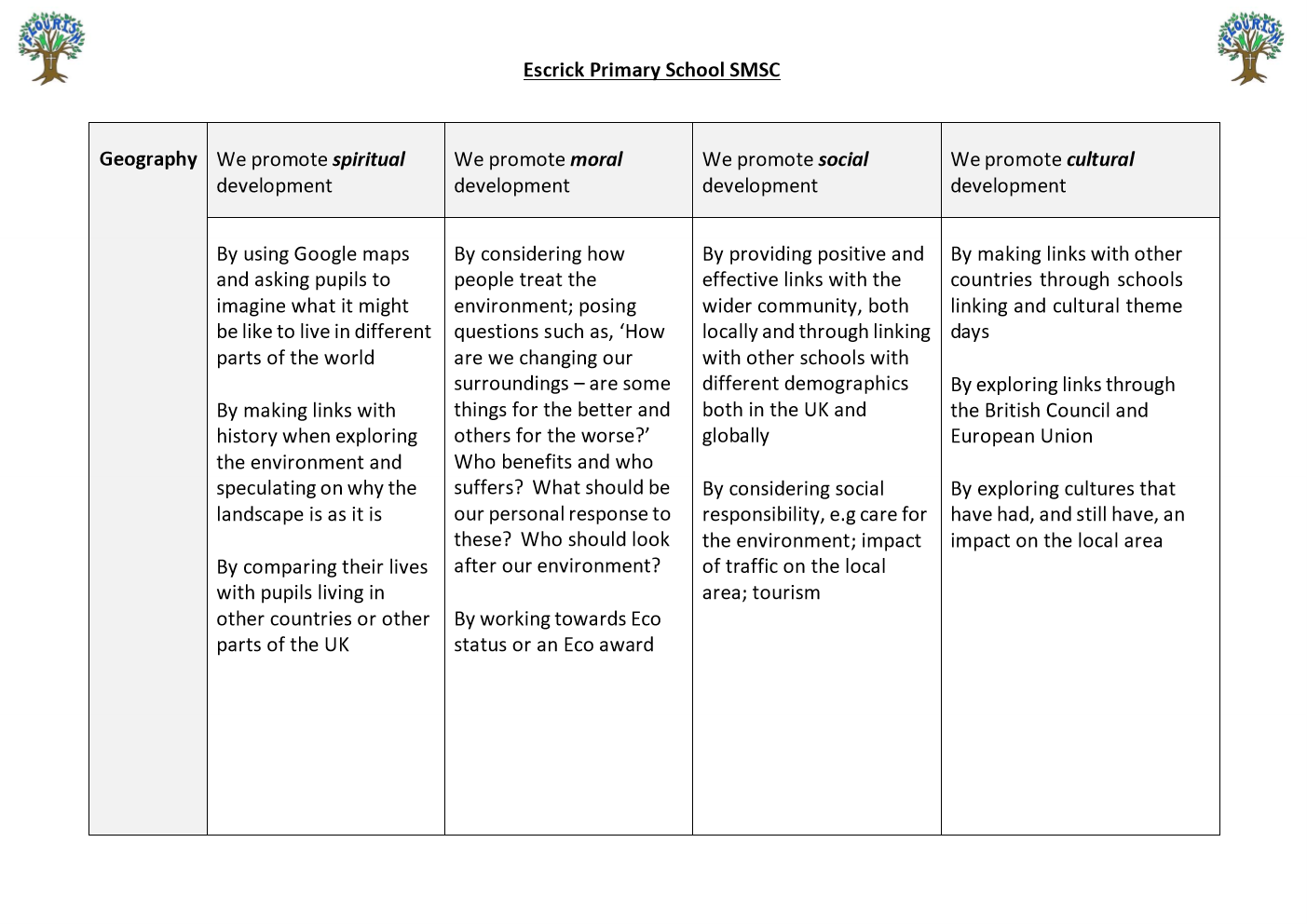
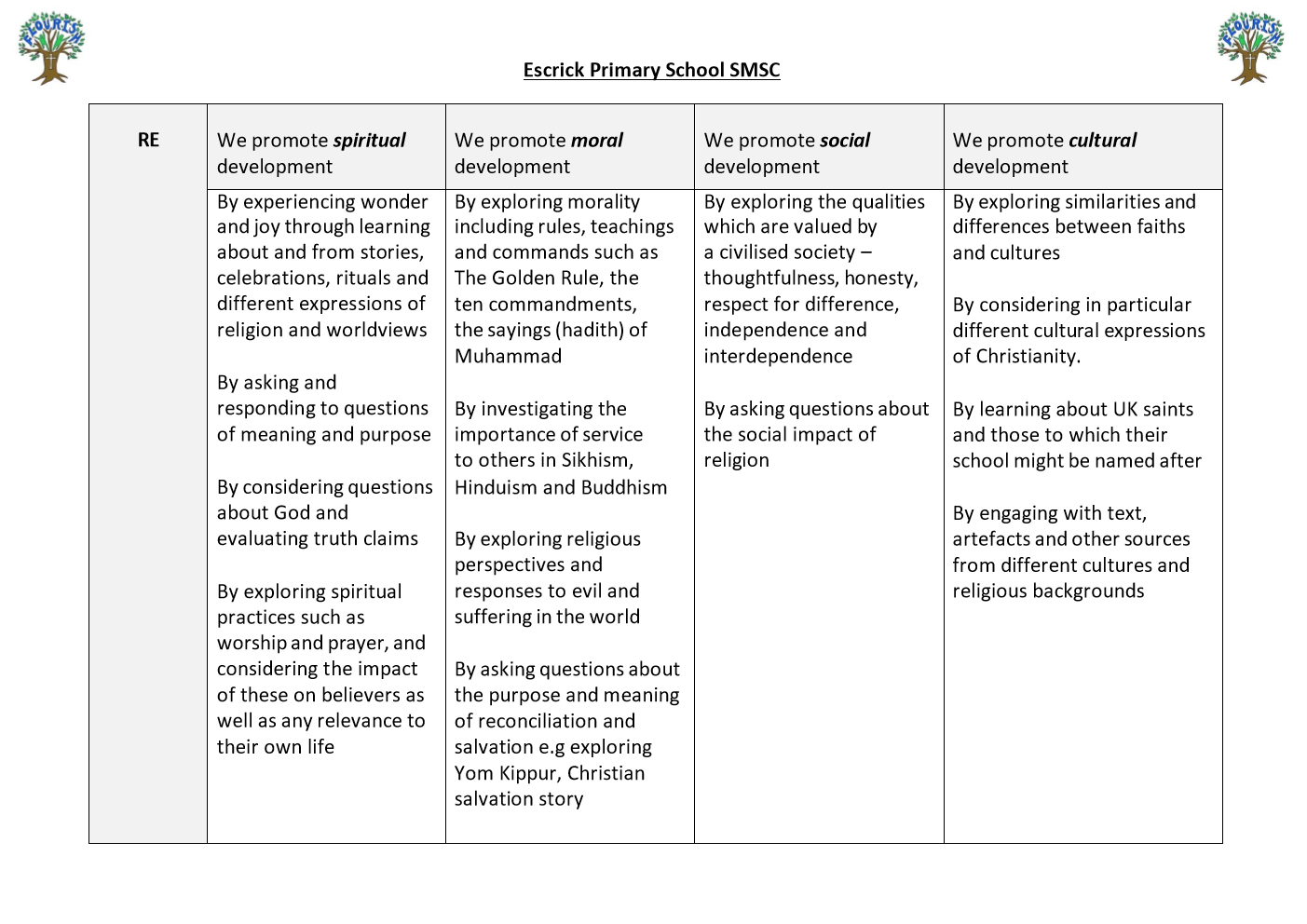
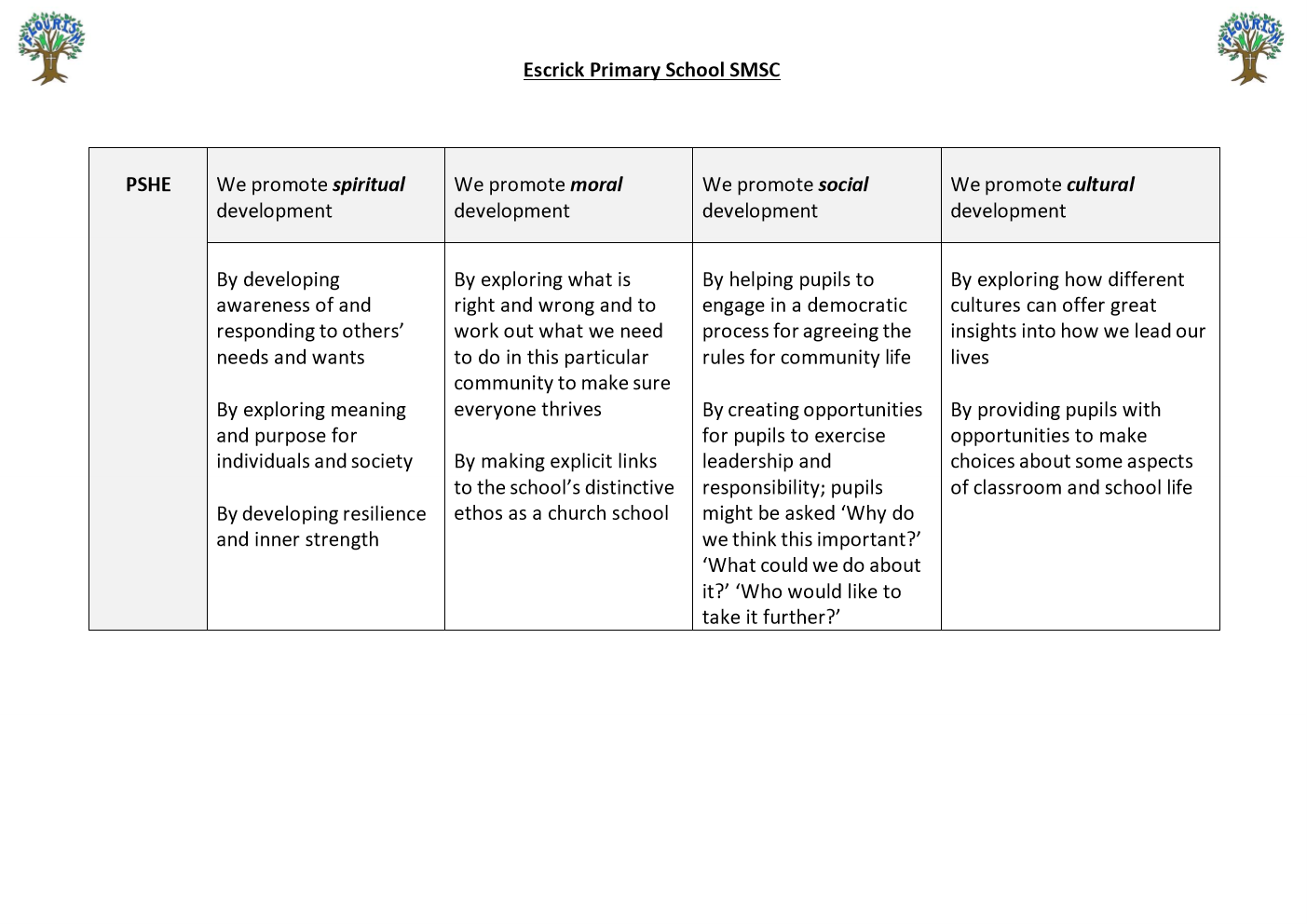
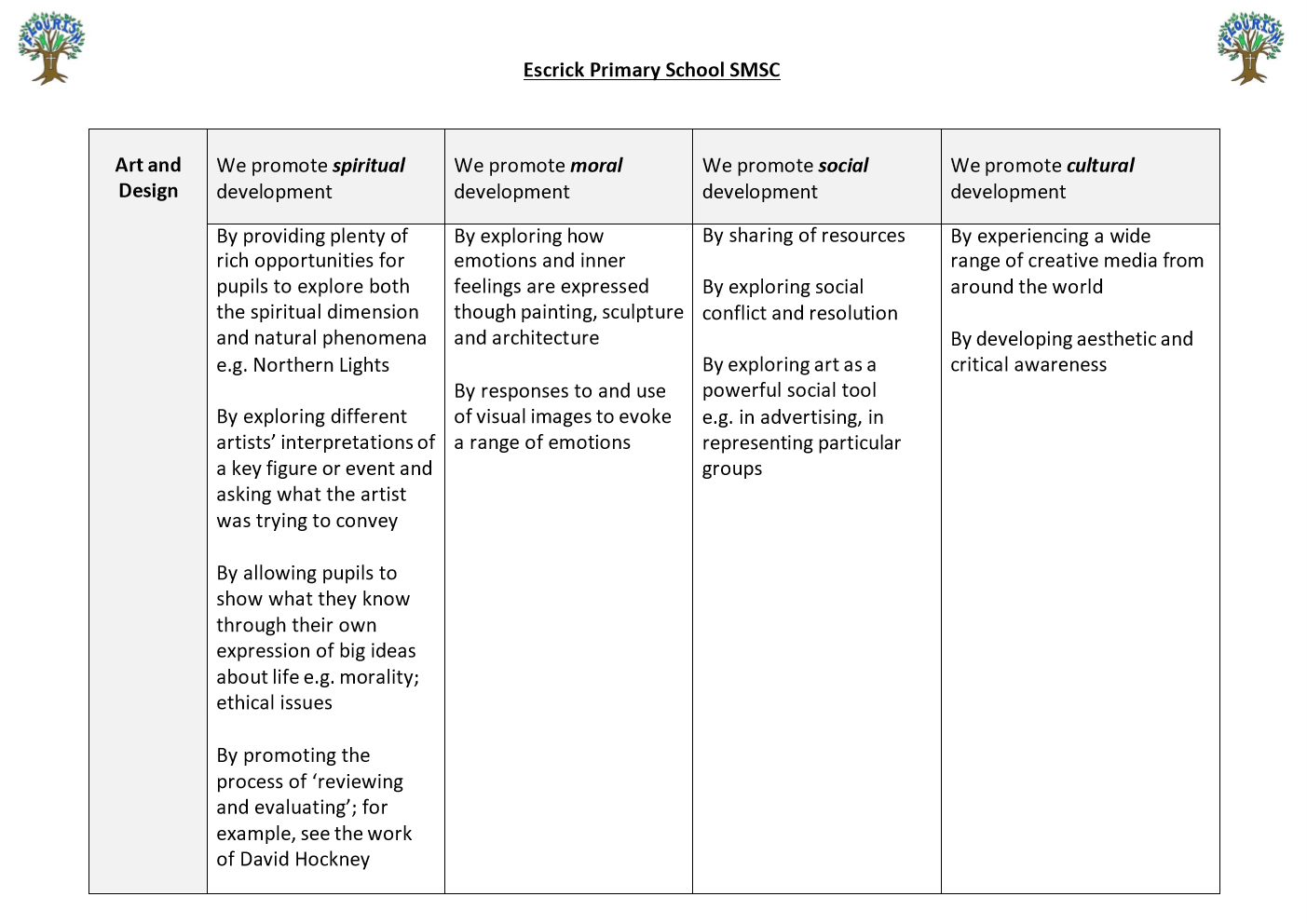
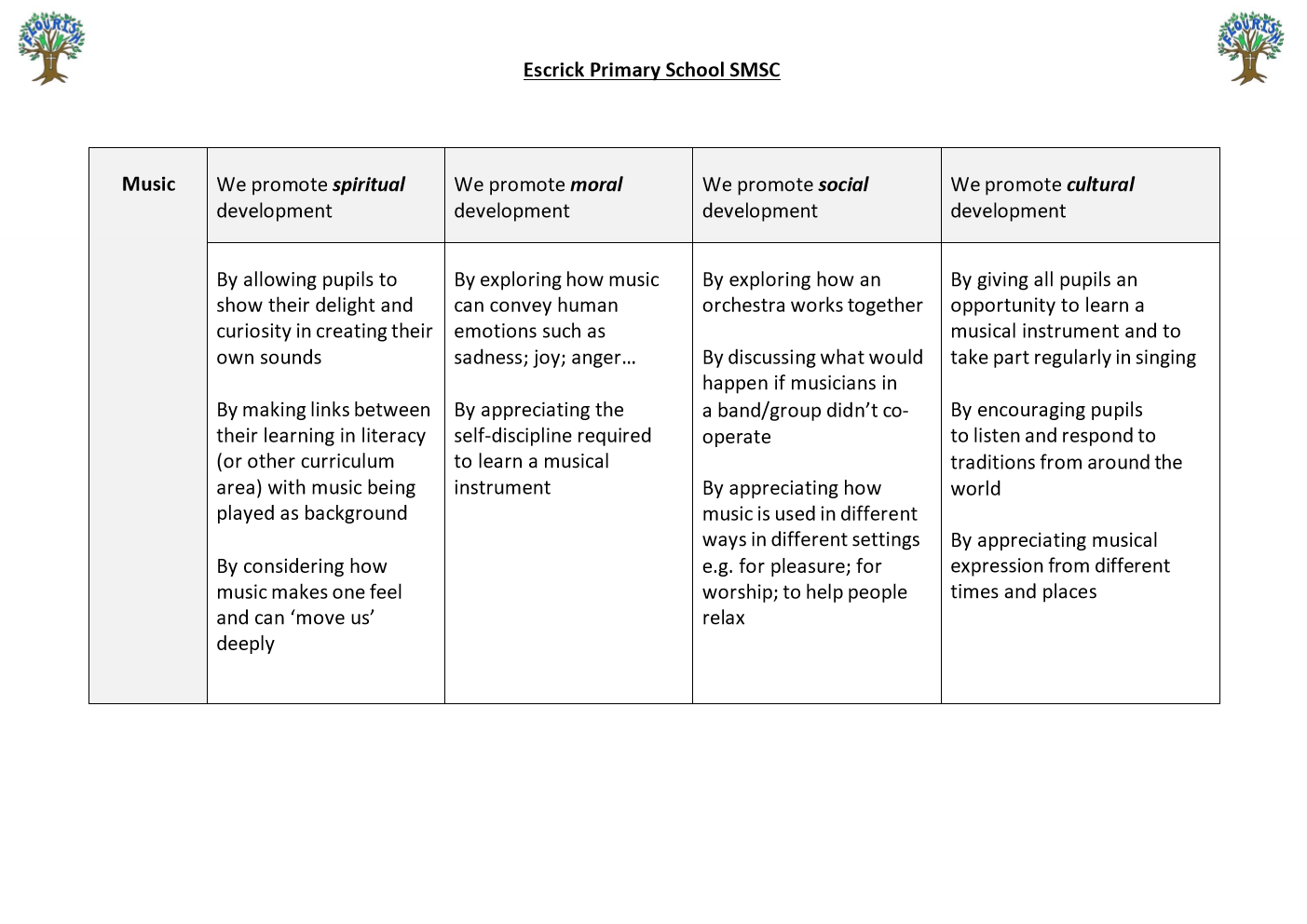
Intent
At Escrick, there is a strong emphasis on building resilience, empowering children and nurturing mental and physical health. We provide a PSHE curriculum that enables pupils to embrace their own values alongside those of others, and in doing so flourish in their wider community.
From exposure to a range of global issues, children can develop knowledge and appreciation of being respectful global citizens.
Implementation
PSHE lessons take place weekly in all classes and are delivered through Jigsaw. Mindfulness is at the heart of Jigsaw as we believe if a child can be aware of their thoughts and feelings as they arise, they can choose to regulate/ manage their thoughts and feelings.
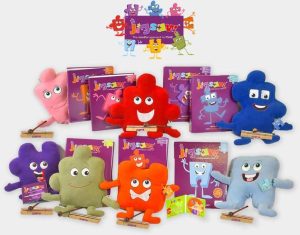
The Six Puzzles: There are six Puzzles (topics) in Jigsaw that are designed to progress in sequence from the start of each academic year:
Term 1: Being Me in My World
Term 2: Celebrating Difference (including anti-bullying)
Term 3: Dreams and Goals
Term 4: Healthy Me
Term 5: Relationships
Term 6: Changing Me (including Sex Education)
The puzzles are introduced through a whole school (or Key Stage) assembly. All classes work on the same topics at their own level, sometimes there is a whole school outcome for the puzzle and other times it is specific to the class. Jigsaw lessons all follow the same structure. The structure takes account of the learning process:
– Connect us (an inclusive whole-class game building social skills)
– Calm me (mindfulness practice using the Jigsaw chime and breathing techniques)
– Open my mind (to the essence of the learning about to happen)
– Tell me/show me (introduction to new information or skill)
– Let me learn (learning activities to make the learning my own)
– Help me reflect (on my learning progress and my emotional learning this lesson) and record this in my Jigsaw journal.
Jigsaw lessons also enable self-regulation and pupil voice, asking for help and knowing how to express emotions are givens throughout Jigsaw.
Impact
Children will develop more resilience and emotional awareness that will help them in all aspects of their learning. The impact of our PSHE curriculum can be measured and monitored in a variety of different ways including; learning walks, PSHE Journals, data analysis and tracking and pupil interviews.
Teachers carry out summative assessments at the end of each unit and provide a ‘best fit’ approach as to whether children have achieved the ‘expected’ standard. Throughout all PSHE lessons teachers assess formatively through observations, discussions and questions, this supports them with the planning and pitching of subsequent lessons.
It is our aim that our children leave Escrick Primary School with a confident image of themselves as valued people, who are better equipped to manage situations that arise in their lives both socially and personally.
- You can find our PSHSE Policy, including RSE on our Policies page.
- Jigsaw Online Safety Article
- RSE Primary Schools Guide for Parents
- RSHE a Guide for Parents and Carers Leaflet
- Jigsaw LGBTQ Parent Leaflet
- RSHE Information Evening
- bm puzzle map and updates 2026
- cd puzzle map and updates 2026
- cm puzzle map and updates 2026
- dg puzzle map and updates 2026
- hm puzzle map and updates 2026
- jigsaw pshe 3-11 rshe 2026 mapping document 2026
- pshe 3-11 knowledge content snapshot overview
- rl puzzle map and updates 2026
- talking about puberty sex education and growing up with your child
- RSE Recommended Book List
- Book List Reception
- Book List Year-1
- Book List Year-2
- Book List year-3
- Book List Year-4
- Book List Year-5
- Book List Year-6
- Books to Read to Make You Feel Better
At Escrick Primary School, we recognise the importance of promoting positive mental health and emotional wellbeing to all our pupils. We aim to create an openness around the discussion of mental health and wellbeing and to empower our children be able to regulate their emotions. By implementing the Zones of Regulation curriculum we aim to teach our pupils to identify emotions in themselves and others and provide them with bank of strategies to help regulate their emotions and improve their wellbeing.
Zones of Regulation
The Zones of Regulation is a range of activities to help your child develop skills in the area of self-regulation. It is a curriculum based around the use of four colours to help children self-identify how they’re feeling. The curriculum also helps children better understand their emotions, sensory needs and thinking patterns. The children learn different strategies to cope and manage their emotions based on which colour zone they are in. Additionally, the Zones of Regulation helps children to recognise different feelings, develop problem-solving skills, and become more attuned to how their actions affect other people.
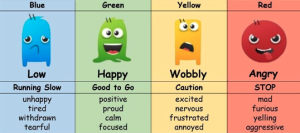
Understanding the Zones:
Talk through the zones with your child. Ask them how they would feel in each zone?
- Discuss what emotion they feel in each zone e.g. in the yellow zone I may feel worried
- How they physically feel e.g. in yellow zone I may have butterflies in my stomach or have sweaty palms (if feeling anxious).
- Then discuss what might they be doing- what be their actions e.g. in yellow zone would they be pacing around, snapping at others, fidgeting?
- Then discuss how to help them move into the Green zone e.g. if I was in the Yellow zone and feeling anxious I might find competing some yoga stretches/ breathing techniques helps me get back into the green zone.
- Create a list of strategies that work for the child- Remind the child that we are all unique and the strategies that work for one person might not help them so they need to think about what would help them.
Remind them that we will experience all zones and there are no good or bad zones- however our success in regulating our emotions depends on us recognising our emotion, understanding it and putting a support strategy in place
Rights Respecting Silver Website Page
Silver Award
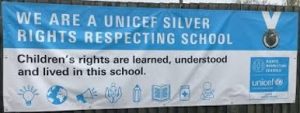
Escrick Primary is proud to be a Rights Respecting school, as of July 2024. We were delighted to achieve our Silver status, for the Unicef Rights Respecting Schools award. We are now undertaking our journey towards Gold. We have worked hard over the past two years to achieve UNICEF Rights Respecting accreditation, which recognises our commitment to creating a safe and inspiring place to learn. Here at Escrick children are respected, their talents are nurtured and they are able to Flourish. Developing a Rights Respecting ethos in our school ensures that these values are embedded in daily school life, giving children the best chance to lead happy, healthy lives and to be responsible, active citizens, both locally and globally.
What is a Rights Respecting School?
A Rights Respecting School puts the United Nations Convention on the Rights of the Child (https://www.unicef.org.uk/what-we-do/un-convention-child-rights/ ) at the heart of everything they do. This means that we ensure children at Escrick Primary know their rights and as adults, we make decisions with the best interests of the child. We teach children about the importance of becoming Global Citizens and ensure that they learn about world events. Furthermore, we take time to teach children about developing their full potential and ensure that they learn about people who don’t have access to their rights. We have always been an inclusive and compassionate school community, but this award has highlighted the hard work and commitment of both children and their families and our dedicated staff team. Here is a link we have shared with the children when introducing and talking about the importance of children’s rights. https://www.youtube.com/watch?v=LN_70HXxd5Y .